Most corporate videos get made, approved, and forgotten.
Not because the budget was wrong. Not because the camera wasn’t good enough. Because nobody in them sounds like a person. We’ve spent six years and 65+ films fixing exactly that, and the fix is never more polish.
Three ways corporate video goes wrong
The “About Us” trap. The video is about the company instead of the people the company changes. “We’re the leading provider of…” loses to “Here’s how Maria runs her shop now” every single time. Viewers don’t care who you are until they see what you do to a life like theirs.
The perfection paradox. Everything scripted, everything smooth, every “um” scrubbed out in the writing stage instead of the edit. The result feels like a hostage video with better lighting. Real people don’t talk in approved messaging, and audiences can tell within seconds.
The feature parade. Specs without stakes. “Our line processes 10,000 units a day” means nothing until someone explains what that pace feels like at 6 a.m., or what it made possible for a customer who was about to miss a season.
What we do instead
Documentary technique, applied to business. In practice that means:
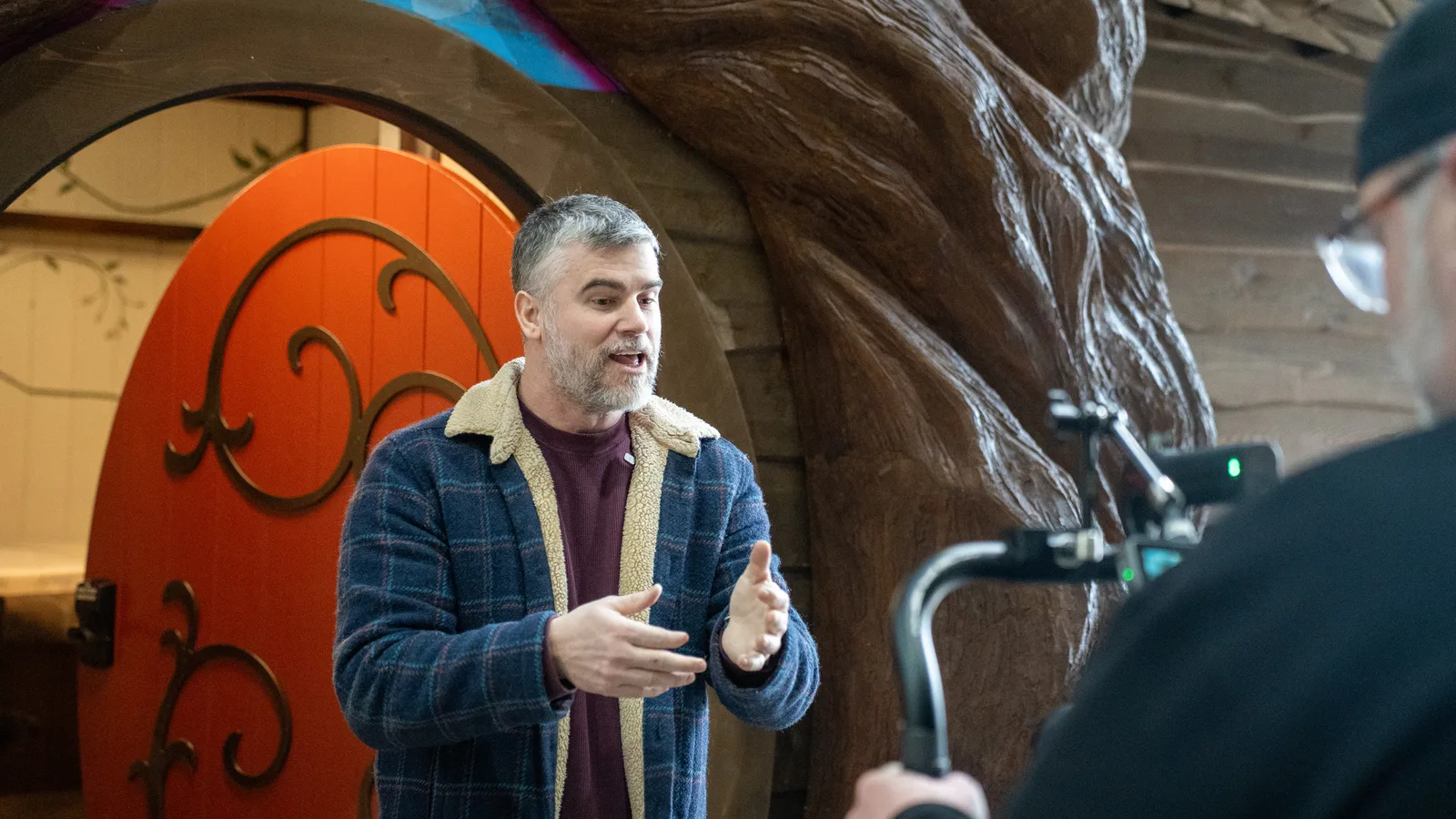
- Real employees, not actors — people talking about work they’re proud of, in their own words
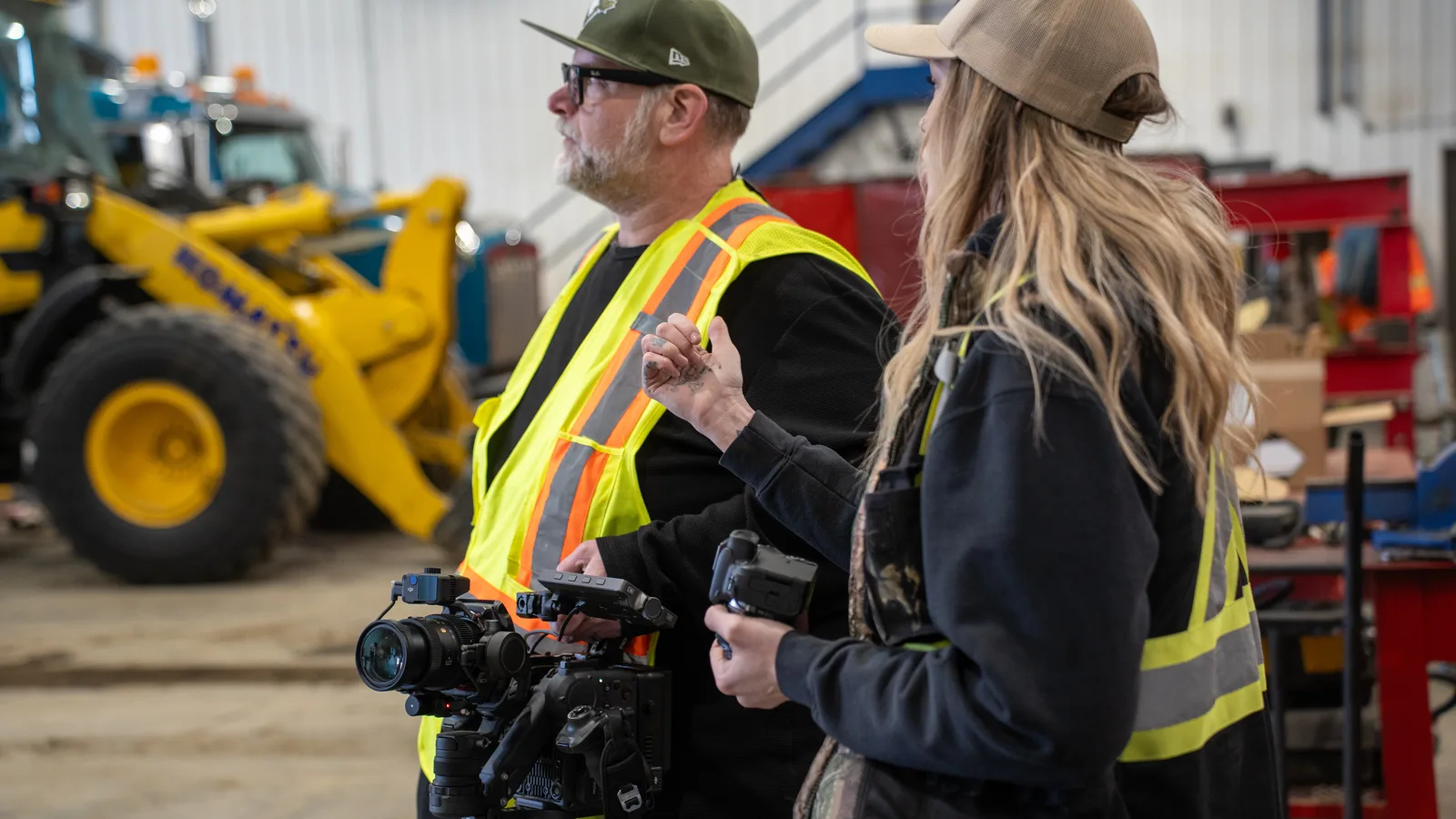
- Actual work environments — the shop floor, the field, the truck. Not a rented studio
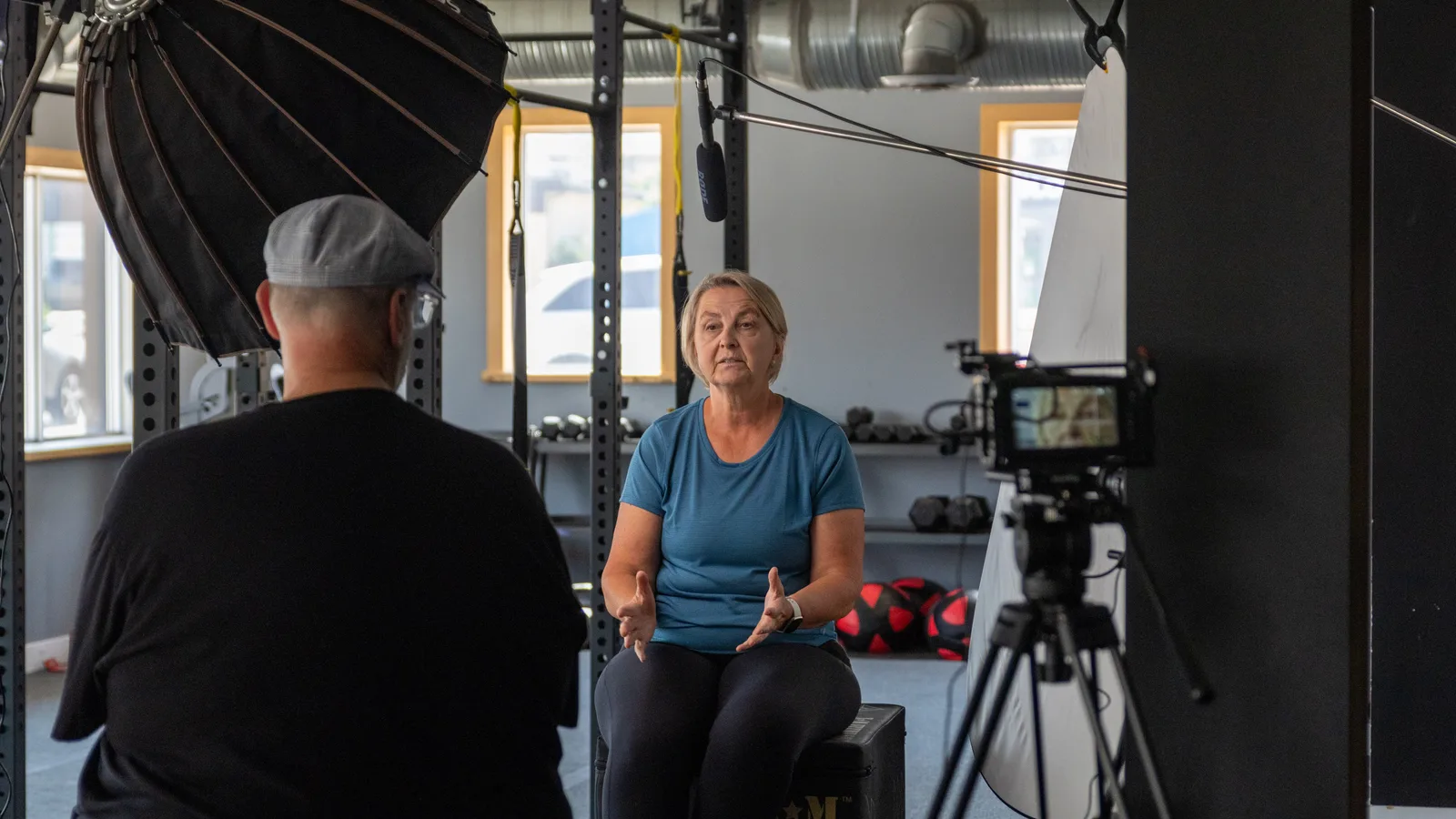
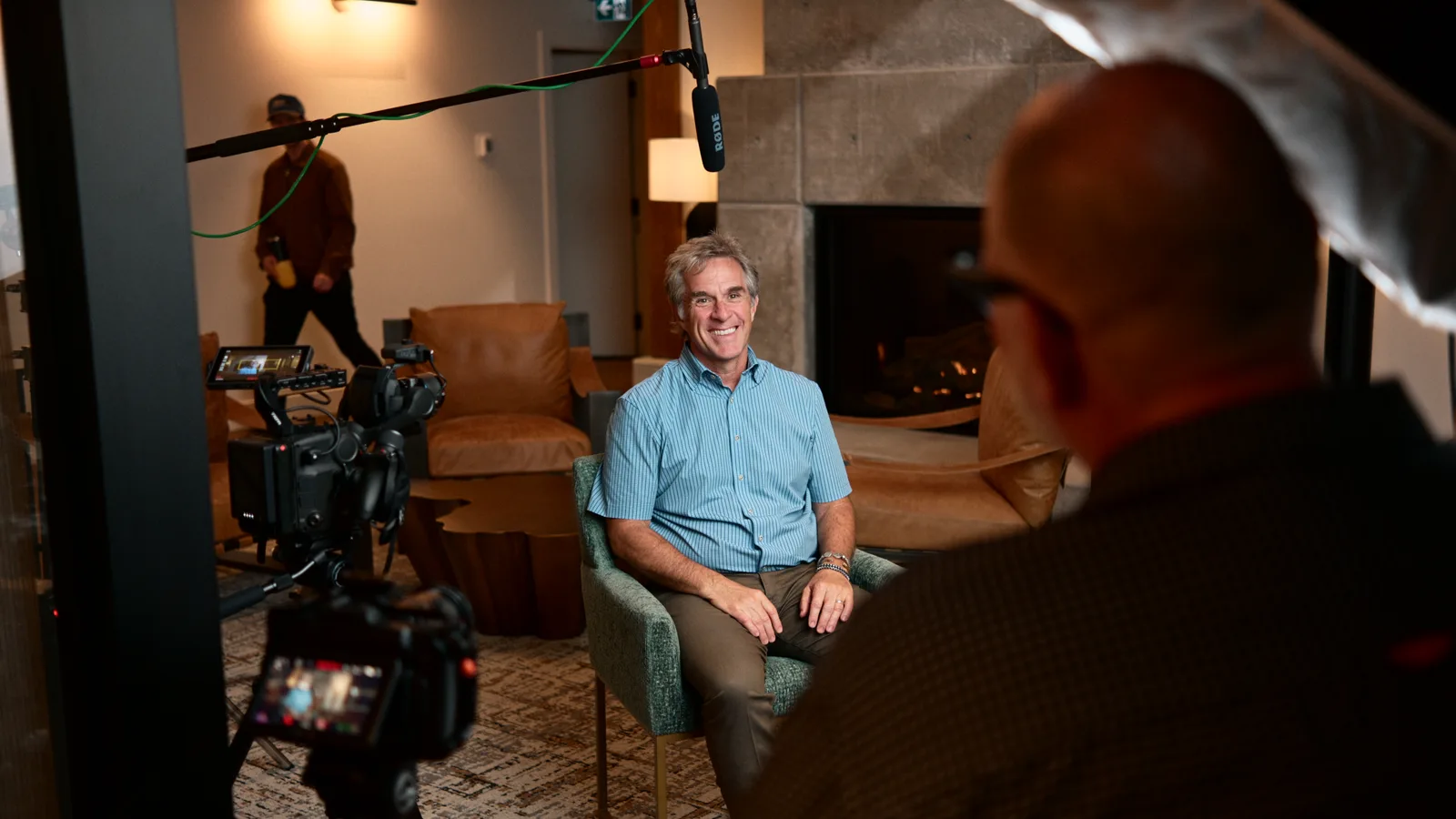
- Unscripted conversation — we ask questions and listen; we don’t hand anyone lines
- Emotional truth over verbal perfection — a welder saying “I was skeptical at first” beats “initially, we evaluated the solution” every time
This is why our films average a 73% completion rate against an industry average around 37%. People finish them because they don’t sound like marketing.
How to find the story worth telling
Every organization has one. Most just haven’t been asked the right questions. Three we use in every discovery process:
- “Tell me about a time you made a real difference for a customer.” The answer is almost never the thing on the homepage.
- “What’s the most rewarding part of this job?” Watch what people do with their hands when they answer.
- “What does everyone in your industry do that you refuse to do?” That’s where the values live — not in the poster in the lunchroom.
Then pick one protagonist. One operations manager whose Tuesday changed is more persuasive than a montage of everyone’s mission statement.
What it doesn’t require
It doesn’t require being unpolished — we shoot on cinema cameras and grade every frame. It doesn’t require employees who love being on camera — most people relax fast when there’s no script to flub (we wrote a whole guide to preparing your team). And it doesn’t require a story that sounds dramatic. It requires one that’s true.
Your customers don’t want to hear about your company. They want to see themselves in your stories. Make the film that shows them that, and you won’t have to ask anyone to watch it twice — they’ll send it to someone.
Ready to find yours? See how our documentary-style video production works, then start with a discovery call — 1–2 weeks of asking better questions before a camera ever comes out.