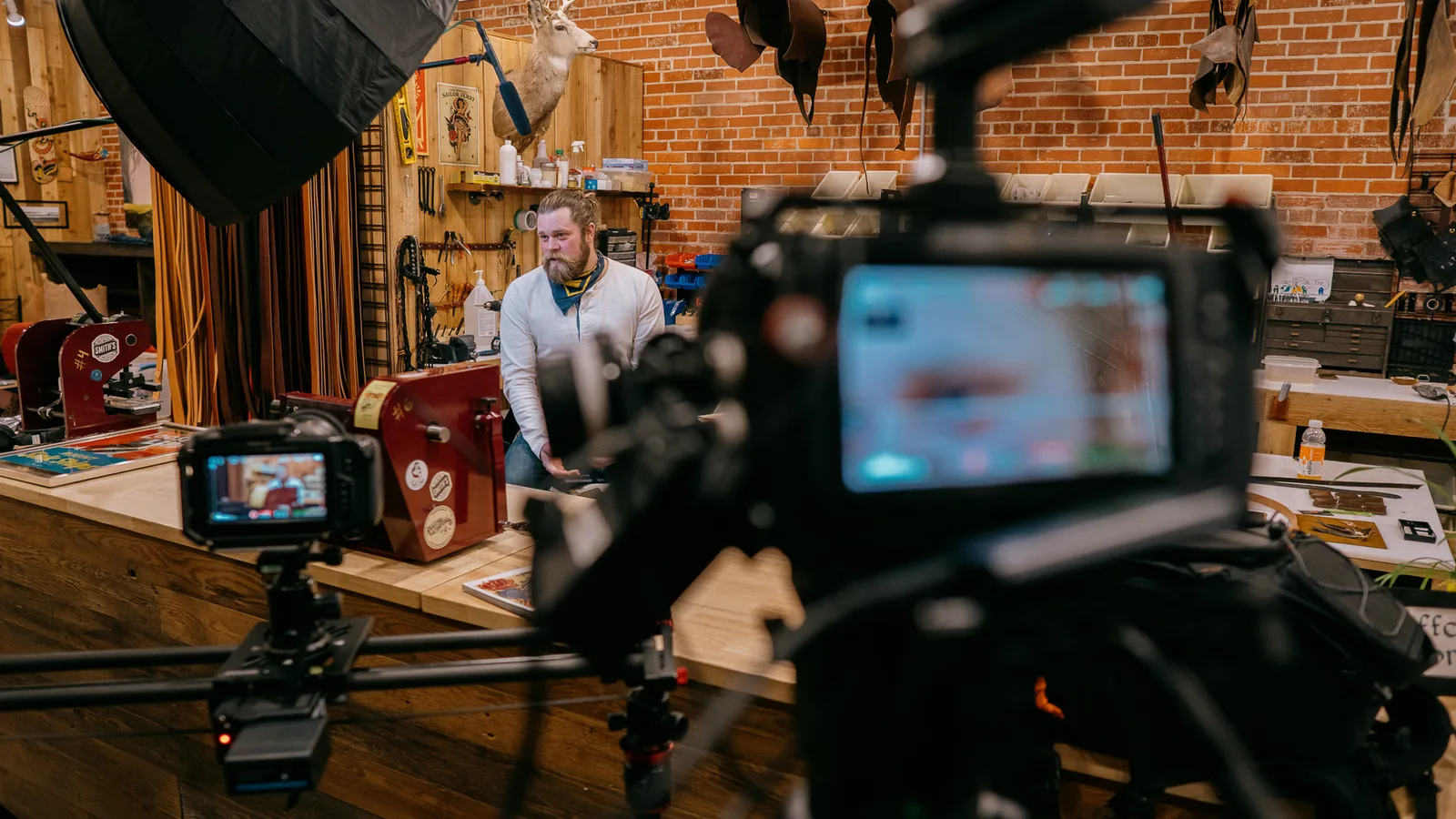
“I’m not an actor.”
It’s the first thing we hear on almost every shoot, and the answer is always the same: good. If we wanted actors we would have hired them. We’re filming you because you know the work.
Still, a camera is intimidating. A confident CEO can freeze when the light comes on. This guide explains what the day is actually like, so your team can stop worrying about it.
The one rule: don’t memorize anything
This is the most common mistake. Someone writes out a perfect answer and tries to recite it. They get nervous hunting for the exact words, their eyes go flat, and when they miss one word they stop.
Know your points, not your lines. If we ask about safety, don’t recite the mission statement. Think about what you’d tell a new hire on their first day.
On one shoot, a manufacturing operations manager arrived with her answers written out word for word. The first take sounded like a recital. We put the notes away and asked a different question: “Tell me about a time a safety rule actually saved someone.”
She told us about a welder who spotted a crack in a pressure vessel during inspection. He could have kept working. He stopped the line and called engineering, and the crack turned out to be serious. “That’s safety culture,” she said. That story made the film. The memorized answer didn’t.
How to prepare without a script:
- Know the three things you most want to say, as ideas.
- Think of one real example for each.
- Tell those stories out loud to a colleague once.
- Then let the exact words go.
What the day is like
It isn’t live. If you stumble, we stop and you start the sentence again. We might film 30 minutes to use 30 seconds. You can’t ruin a take.
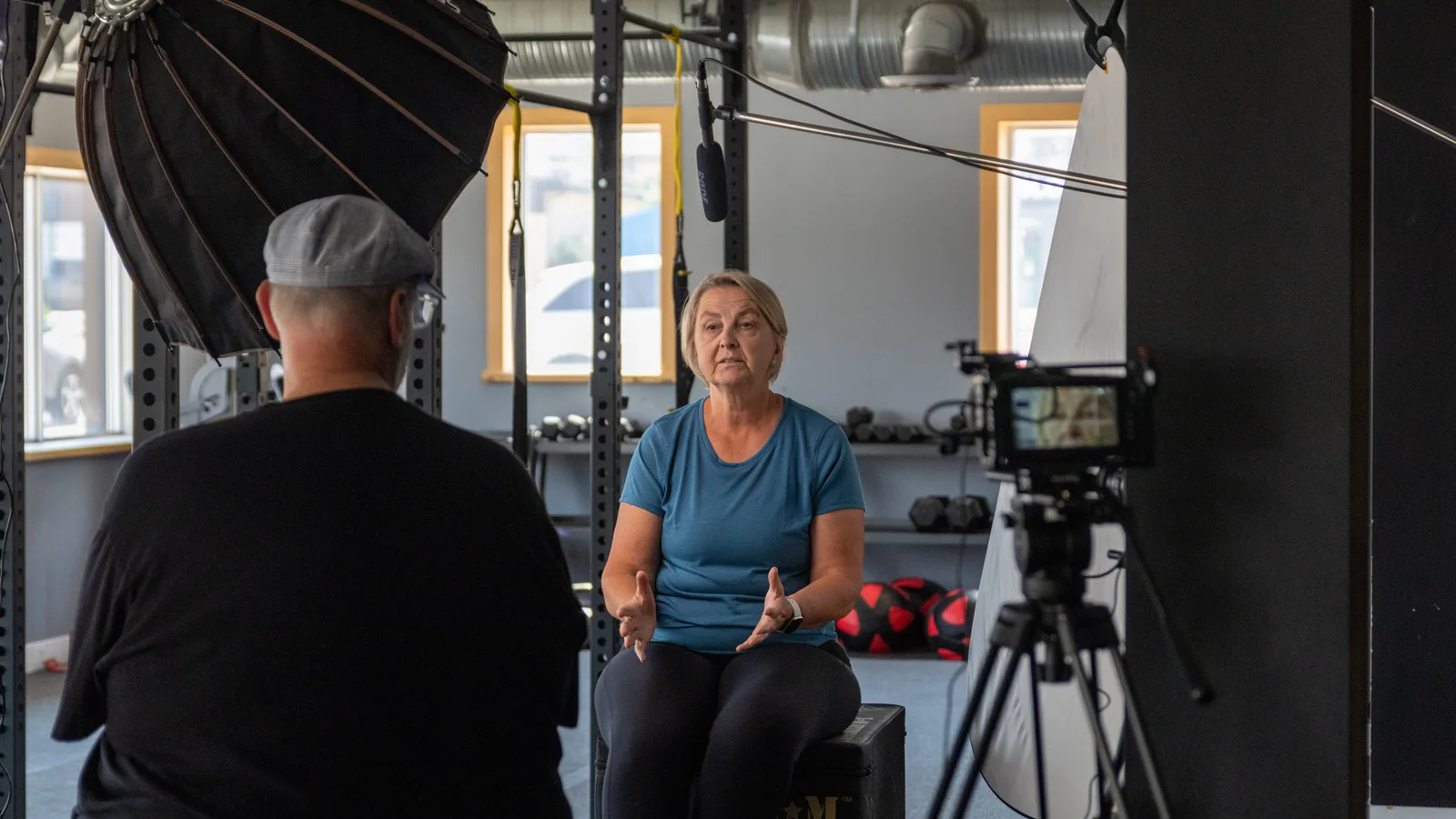
It’s a conversation. You look at the interviewer sitting beside the camera, not into the lens. You’re talking to a person.
There will be lights, and it will be quiet. People may be standing around listening. That’s normal.
A typical interview runs like this:
| When | What happens |
|---|---|
| 15 minutes before | We clip a small microphone to your collar and check levels while you chat |
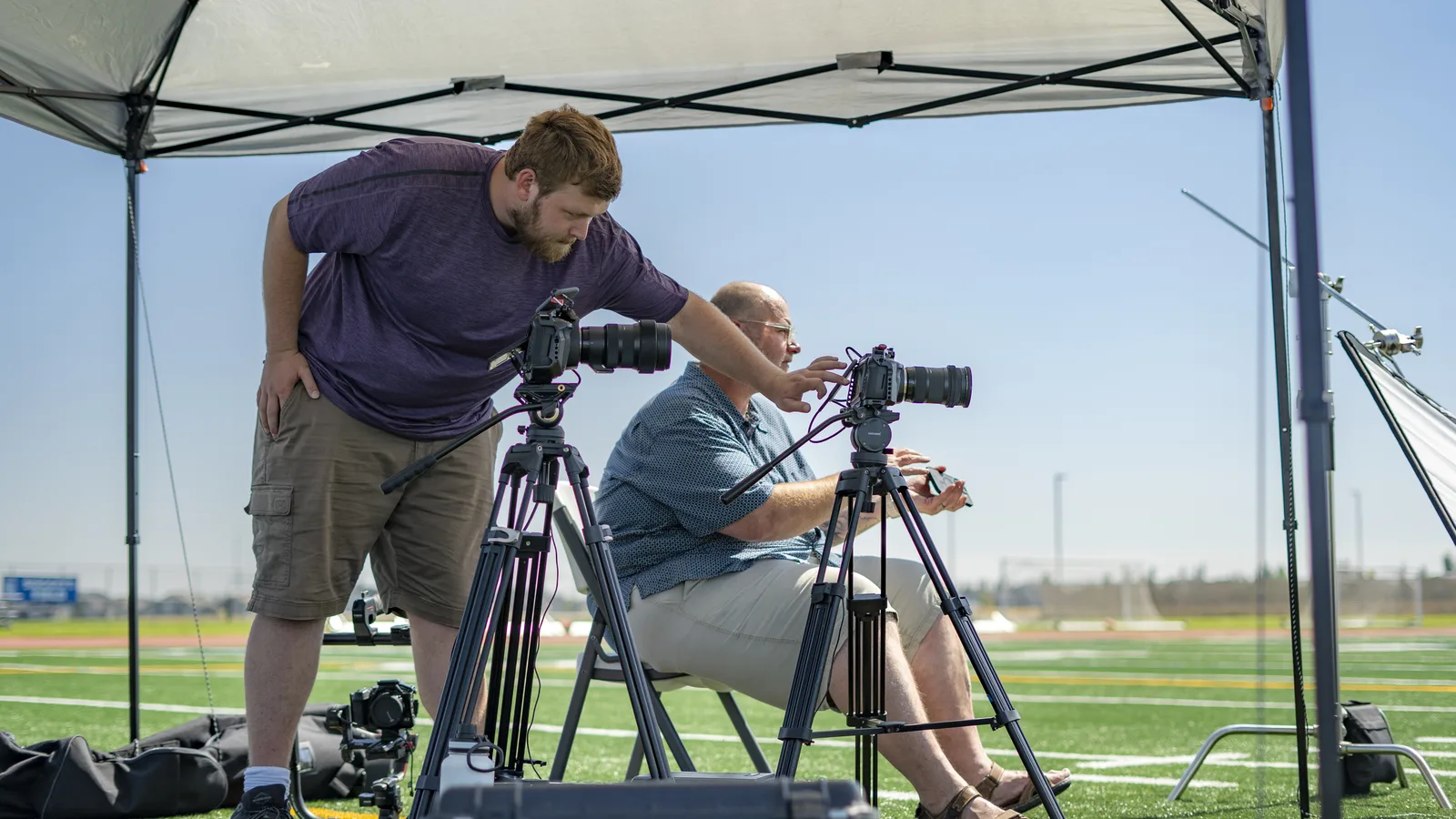
| 5 minutes before | We set the camera and lights. You sit still for half a minute while we check focus |
| 20 to 40 minutes | The conversation. We may ask the same thing two ways. Pauses are fine |
| Afterward | ”Did we miss anything?” Then some footage of you at work |
The whole thing takes 45 to 60 minutes. Nobody shouts “action”.
What to wear
Wear what you’d normally wear to work. If you never wear a tie, don’t start now.
Avoid:
- Tight patterns. Small checks and pinstripes shimmer on camera. Solids are safer.
- Pure white or pure black. White glows and black loses its detail.
- Noisy jewellery. Bracelets that knock on the table end up on the audio.
- Big logos, unless they’re yours.
Good choices:
- Solid colours. Blues, greys and earth tones.
- Your uniform. If you wear PPE or a company polo every day, wear that.
- Whatever you’re comfortable in. If you feel stiff in a suit, you’ll look stiff.
How to sit and stand
- Sitting: sit toward the front of the chair with your feet flat. It straightens your back without you thinking about it.
- Standing: plant your feet shoulder-width apart and don’t sway.
- Hands: if you talk with your hands, keep doing it. If you don’t, rest them in your lap.
- At work: move the way you normally do. If you’re demonstrating something, do it once at normal speed, then once slowly for the close-up.
What we edit out, so don’t worry about it: “um” and “you know”, restarted sentences, looking down to think, clearing your throat.
What we can’t fix: swaying, speaking too quietly, and never looking at the interviewer.
Save something for the end
The best line of the day often comes after the formal questions are done, when people relax. When we ask “anything else you want to add?”, take it. Tell the story you held back earlier.
For managers: setting your people up
- Tell them why. “We’re filming you because you led that project and nobody knows it better.”
- Give them notice. Don’t spring it on them that morning.
- Make it optional. A reluctant person looks reluctant. Find the ones who are willing.
An email to send three to five days before:
Subject: Video shoot on [date]
Hi [name],
We’re filming with you on [date] at [time]. It takes about 45 to 60 minutes.
What to wear: what you’d normally wear to work. Solid colours are best. If you wear PPE or a uniform every day, wear that.
What we’ll talk about: your role and what you actually do, [specific project], and what you’d tell someone thinking about working here.
No need to memorize anything or prepare formal answers. It’s a conversation. If you trip over a sentence, you just say it again.
Questions? Call me at [phone].
On the day: introduce the crew by name and role when they arrive, offer water, and let people know the first question is an easy one. It always is: “Tell me about your role here.”
The best moments in our films are not the polished sentences. They’re the laugh after a joke and the pause before an honest answer. We can light you well and record you clearly. The rest is you talking about work you know.
Planning a shoot? Share this with your team, or see our Lethbridge videography services if you’re still choosing a crew.