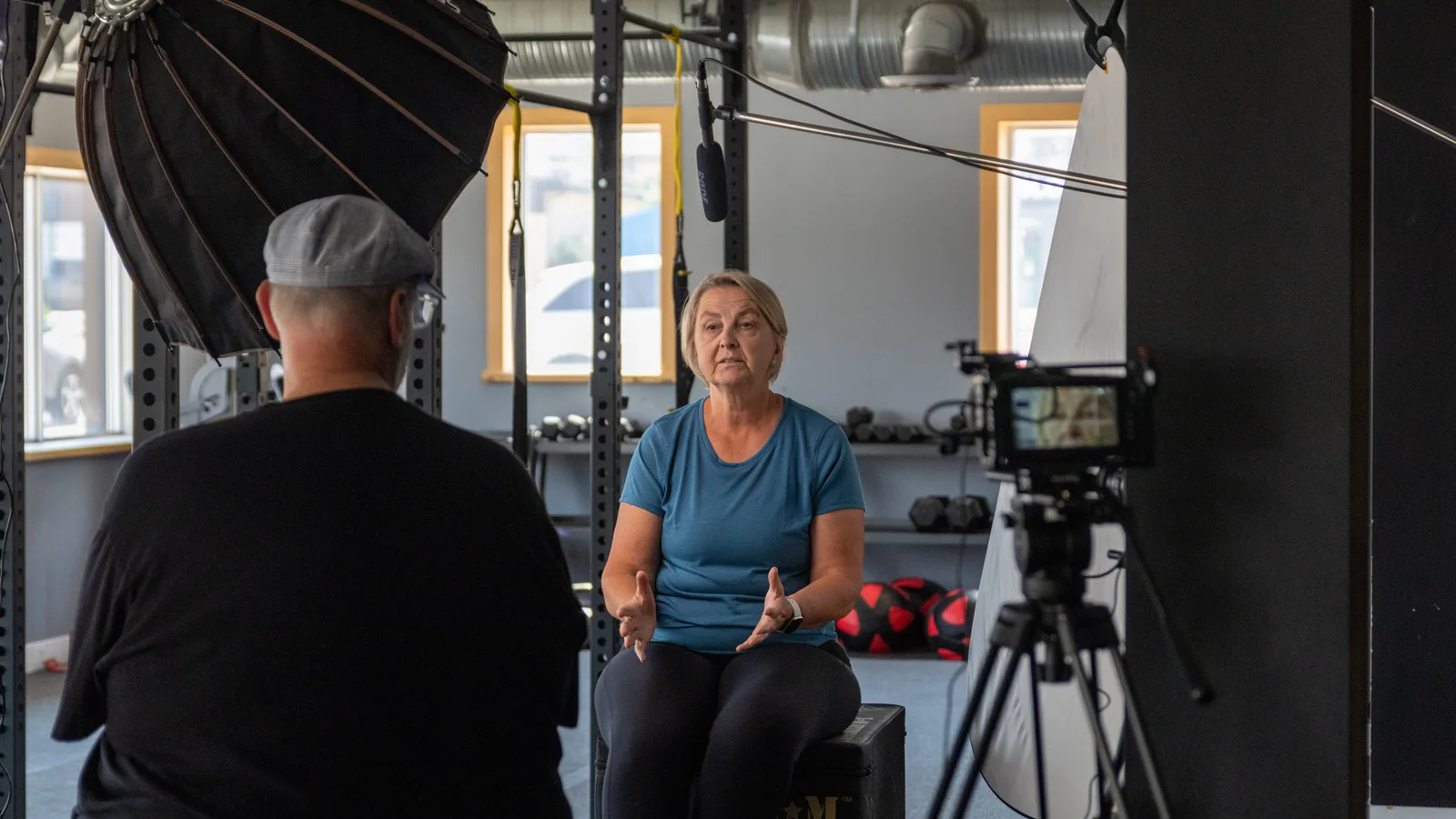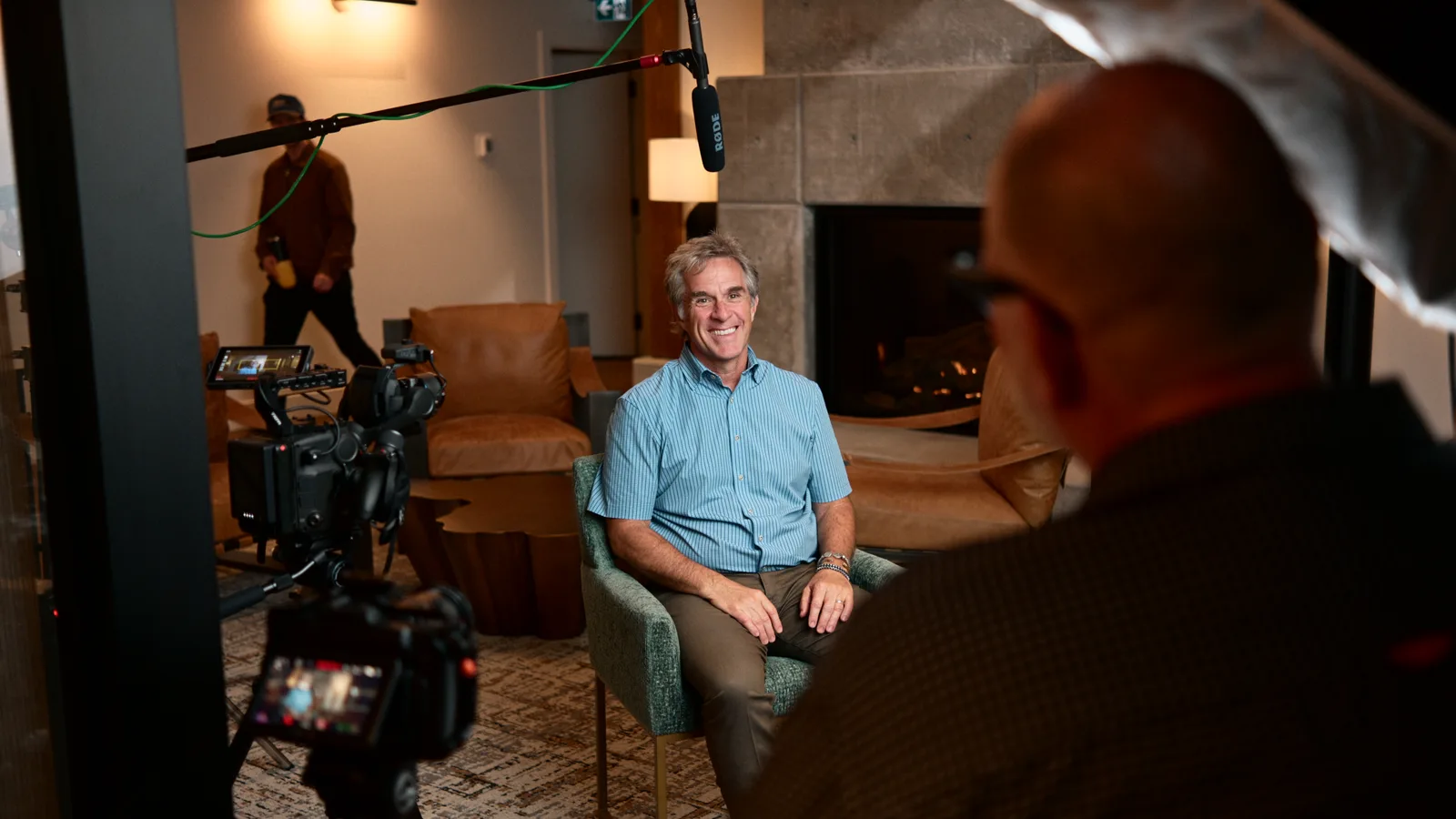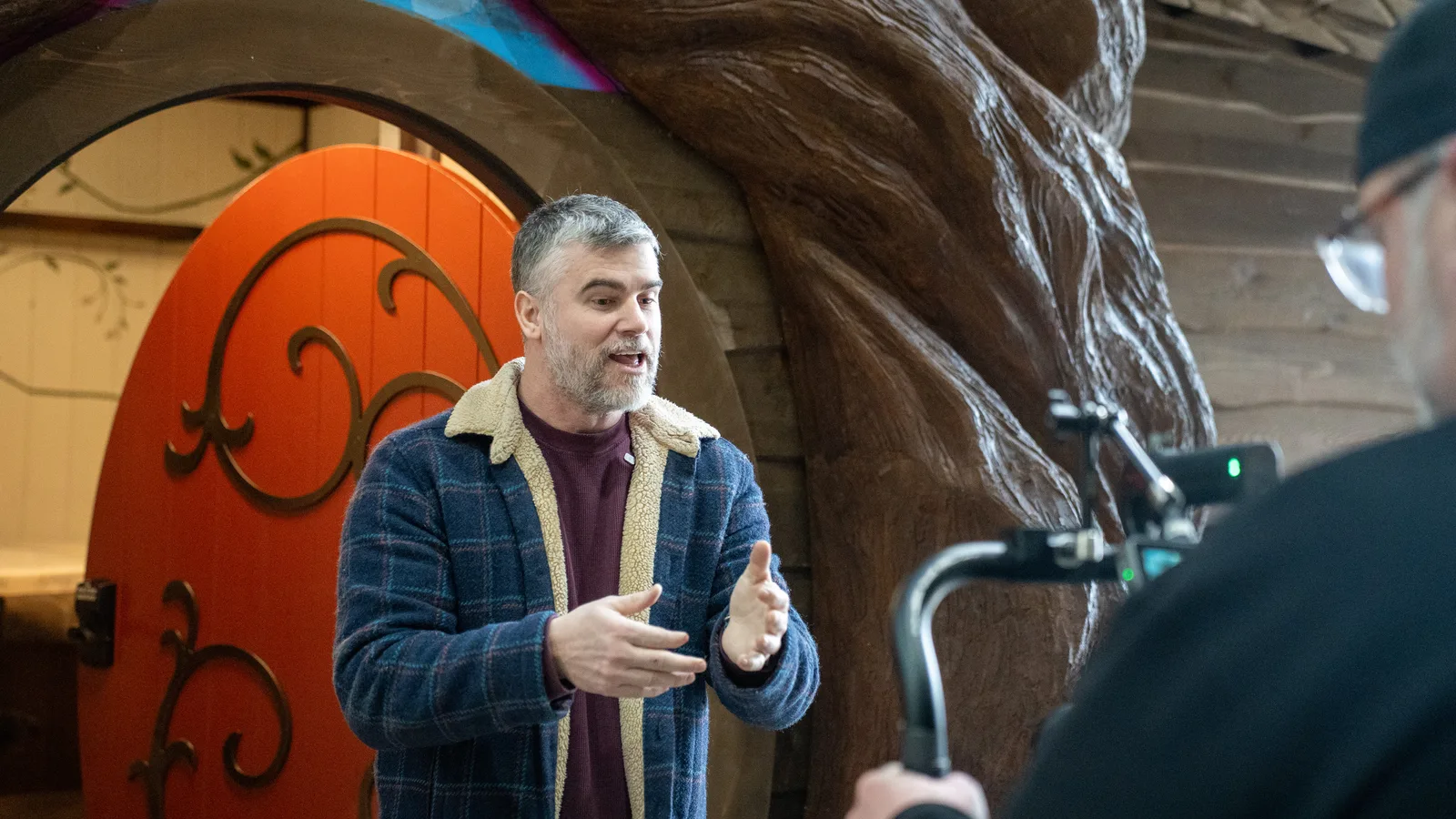
The most important work happens before we pick up a camera.
Here’s an uncomfortable truth: most video projects drift into scope creep and extra revisions because nobody asked the right questions upfront.
We learned this the hard way. A manufacturing client hired us for a “recruitment video.” Three weeks into production we discovered they actually had a retention problem, not an attraction problem, and we had to start over. That mistake taught us something: discovery is our competitive advantage.
This is what happens in that first conversation, and why it matters. For the two weeks that follow it, see Discovery & Pre-Production: Where Great Films Begin.
Why Video Projects Fail Before Filming Starts
The gap between a pretty video and an effective one is closed during discovery. Skip it and three things go wrong.
The assumption trap. The client says “recruitment video” and the agency assumes it knows what that means. But a recruitment video for welders looks nothing like one for engineers. Seasonal timing matters in agriculture. Regulatory compliance is existential in energy.
The feature fallacy. Clients lead with what they want to show, like new equipment or a facility tour, instead of what they need to achieve, like more qualified applicants. Features are easy to discuss. Outcomes take a deeper conversation.
The alignment failure. Marketing wants awareness, operations wants safety compliance, HR wants recruitment, finance wants ROI. Unless you find out what success looks like to each of them, you’ll make a video that pleases no one.
How Our Discovery Call Works
We’re trying to learn three things: what story actually exists (not what you think exists), what business outcome you want (not which type of video you think you need), and what success looks like in terms you can measure.
1. Understand your business (15 to 20 minutes). We’re not asking about your video yet. What’s happening in your industry? What made video seem like the right solution? What have you already tried that didn’t work?
2. Identify the real problem (20 to 25 minutes). Targeted questions: “Where in your process do you lose the people you actually want?” “If this continues for 12 months, what does that cost you?” “How would showing your career path change recruitment conversations?” Most agencies stop once they’ve named the problem. We go on to what the video actually has to do.
3. Mine for stories (25 to 30 minutes). Your best stories already exist. “Tell me about a time your team solved the impossible.” “What customer interaction reminded you why you’re in this business?” For an agriculture client near Brooks we asked, “What’s the biggest misconception about modern farming?” That opened a conversation about precision agriculture and environmental stewardship, and it became the film.
4. Map stakeholders (10 to 15 minutes). Who cares about this video’s success, and what does success mean to each of them? For a Lethbridge nonprofit, “donor engagement” meant recurring donors to the development director, volunteers to the program manager and major gifts to the board chair. We made one video aimed at mid-level donors, with three shorter versions for the other audiences.
Questions That Get Past the Talking Points
“What do people say about you that surprises you?” It bypasses corporate messaging and reveals how you’re actually seen. An energy client was surprised that landowners praised their “obsessive communication.” That became the emotional core of their community relations video.
“Tell me about a decision that tested your values.” Corporate values mean little until they’ve been stress-tested. A manufacturing client told us about turning down a lucrative contract because the customer wanted them to cut safety corners. That story, told by the shop foreman, anchored their recruitment video.
“What does everyone in your industry do that you refuse to do?” Differentiation isn’t about being better. It’s about being different in ways that matter. An agriculture client refuses growth hormones even though it means their cattle take longer to reach market weight. That commitment became their brand story.
What Discovery Saves You
It takes 90 to 120 minutes of dedicated time, and it pays back in four ways:
- Fewer changes later. When the story and the success measures are agreed upfront, there’s much less to argue about in the edit.
- Faster approvals. Stakeholders who helped shape the direction have fewer surprises at review.
- A film built for the right audience. You know who it’s for, what it should do, and how you’ll tell.
- The wrong project never gets made. The manufacturing project above is the cost we absorbed once, and we don’t intend to repeat it.
Why Southern Alberta Businesses Need It
Energy, agriculture and manufacturing aren’t simple, and generic agencies make generic content because they don’t understand the nuances. This is also a relationship-driven region. You don’t hire vendors, you build partnerships, and discovery is where that begins. And it doesn’t have patience for fluff: if we can’t define success in measurable terms, we’re not ready for production.
What to Expect
Before the call. We send a short questionnaire (8 to 10 questions) to help you reflect on what you’re trying to accomplish. Twenty minutes with it makes the call far more productive.
The call (90 to 120 minutes). Bring the two to four people who care most about the outcome: marketing, operations, leadership, HR, whoever will judge success. It will feel like a strategic conversation, not a creative pitch. We’ll ask a lot of questions.
After the call (within five days). We send four things:
- Discovery summary: everything we learned, in your words
- Strategic recommendation: what we believe you actually need
- Creative brief: core message, narrative approach and success measures
- Project proposal: scope, timeline, investment and deliverables
This isn’t take-it-or-leave-it. It’s the start of a refinement conversation.
Discovery isn’t glamorous. It doesn’t win awards and it never shows up on a portfolio reel. But a video succeeds when it solves a business problem, moves a measure that matters, or changes how someone thinks, feels or acts, and that only happens when we start with deep understanding.
Ready to Start With Discovery?
If you’re a Southern Alberta business considering video and want a partner who’ll understand your business before pitching concepts, let’s talk. Our discovery process is complimentary for qualified projects. You’ll leave with clarity about whether video is the right solution and, if so, what kind will actually move your business forward. No pressure, no sales pitch, just a strategic conversation.