When people say “corporate video” they usually mean marketing. For industrial companies in manufacturing, energy and agriculture, some of the most useful video never reaches the public. It’s made for the people who work there.
The problem with the binder
Every plant has one. Three inches thick, hundreds of pages of procedures, read only after something goes wrong.
Text is a poor way to teach a physical task. You can write three pages on how to lock out a particular machine, or you can show an experienced operator doing it in 90 seconds. The new hire on the night shift will remember the second one.
Three jobs internal video does well
1. Safety orientation
Safety orientations drift. Every foreman gives a slightly different version, and on a busy day details get skipped.
A filmed orientation gives every new hire, visitor and contractor the same briefing. It works when:
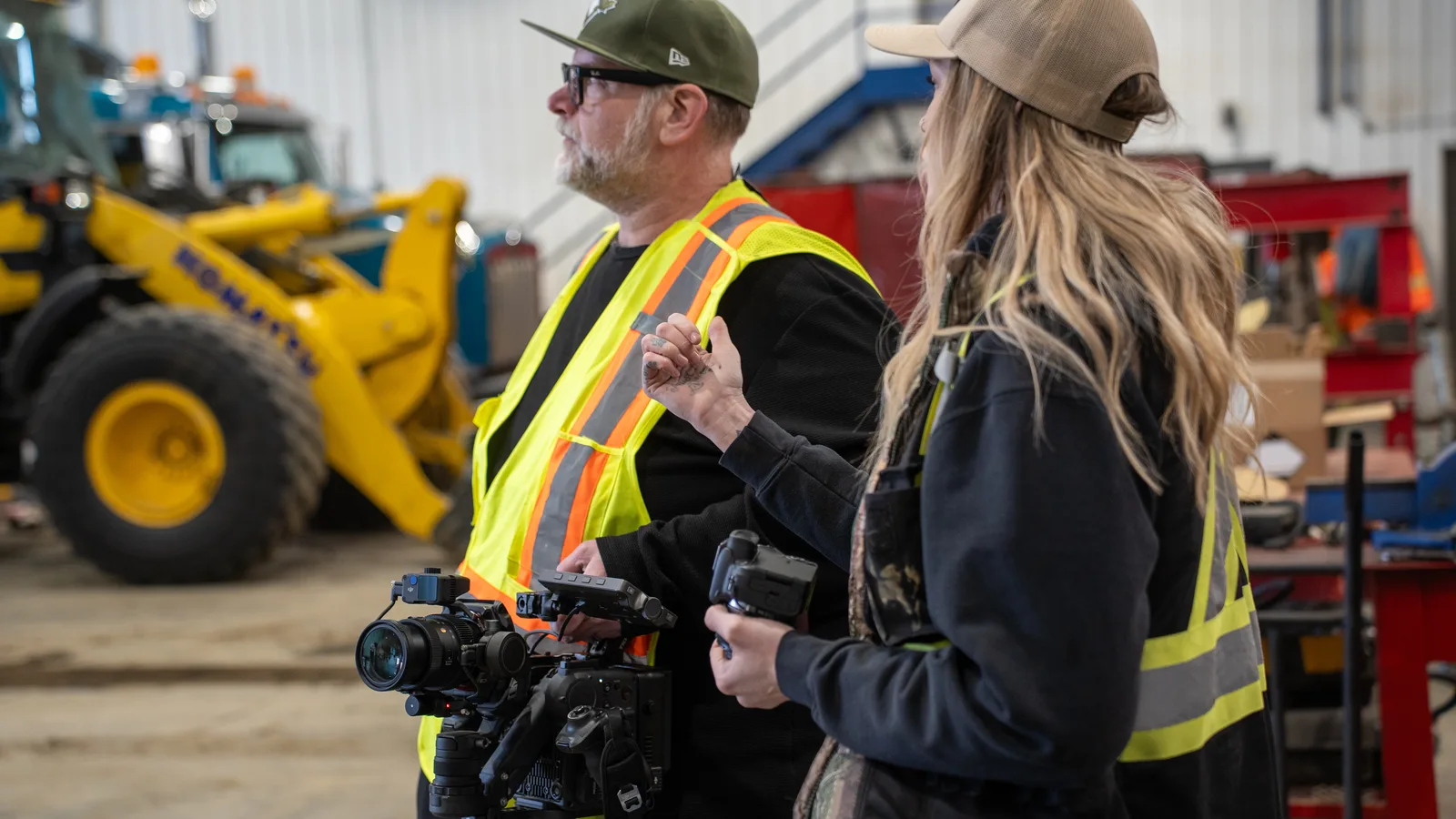
- It’s shot in your facility. People recognize the loading dock and the equipment they’ll use.
- Your safety manager is on camera. When someone has a question on the floor, they already know who to ask.
- It shows your actual hazards, not generic ones.
Your safety manager also stops giving the same talk several times a week.
2. Procedures and the knowledge in people’s heads
Your senior operators carry thirty years of know-how that isn’t in any manual. When they retire, it leaves with them.
Picture a machinist a few months from retirement who can set up your most complicated mill in minutes, while everyone else takes hours. Film that person doing the setup and talking through it: “Always check the offset first. Most people skip that and wonder why the tolerances are off.” Twelve minutes of video holds what would take weeks to pass on by shadowing.
Start with the tasks that are done rarely, done by one person, or expensive to get wrong.
3. Messages from leadership
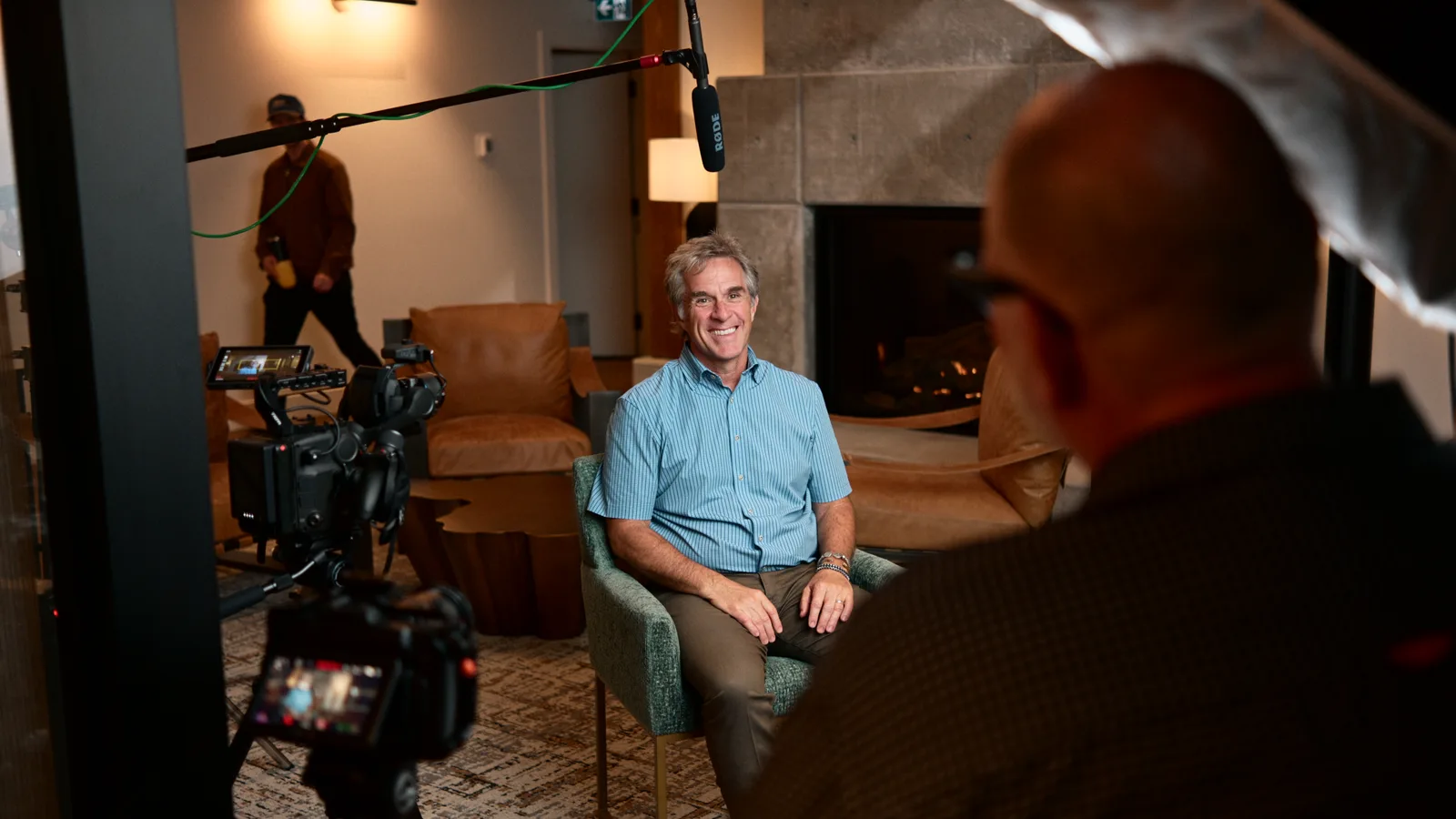
In a company spread across field crews, remote sites and branches, the office feels a long way from the work. An email from the CEO gets skimmed. A video of the CEO explaining a hard decision plainly, filmed on site, gets watched.
It works when the leader shows up where the crews are, says the numbers out loud and explains what happens next. People can see whether the person means it, which an email can’t show.
It doesn’t need to look like a film
Marketing video represents you to the world, so it needs polish. Internal video needs to be clear.
- The lighting doesn’t need to be dramatic.
- The music doesn’t need to exist.
- The sound does need to be clean.
- The information does need to be right.
That usually makes internal video quicker to produce than a brand film.
Three mistakes
Overproducing it. A safety video shot in a studio with an actor who has never run the machine looks false, and staff stop trusting it. Shoot in your plant with your people.
No plan for updates. Equipment changes and procedures change. An out-of-date training video is worse than none, because people follow it. Review the library once a year and re-shoot the parts that have changed.
Making one video. A single video helps a little. A library, where each piece points to the next, becomes how people learn the job.
Where to start
Work down this list and stop at the first one that’s costing you money.
- Safety orientation. Everyone needs it, and it repeats constantly.
- Critical procedures. Especially the ones only one or two people know.
- Onboarding. What a new hire needs in the first week.
- Leadership updates. Once the rest is in place.
Before filming, write down how the thing is taught today: what’s covered, in what order, by whom. That becomes the outline.
You can film simple procedures yourselves with a phone, a tripod and a clip-on microphone, and for routine updates that’s often the right choice. Bring in a crew for the pieces that everyone will watch for years, or where a mistake in the video could hurt someone.
Internal video won’t win awards and nobody outside will see it. It will make the job safer and easier to learn, and that’s worth more to most plants than another advertisement.
Thinking about safety or training video? See our video production services or tell us what you need to teach →