Most Southern Alberta nonprofits we talk to are in the same position: more people need the service, fewer people are volunteering, and the appeal letter isn’t raising what it used to.
Video won’t fix that alone. It can do one thing a letter can’t, which is let a donor see and hear a person your work has helped. This guide covers how to start with a phone, how to tell someone’s story without using them, and when it’s worth hiring a crew.
Start with a phone
You don’t need a production budget to begin. You need a recent phone and about $200 of gear:
- A tripod with a phone mount
- A clip-on microphone
- A small light
- Free editing software such as DaVinci Resolve
Buy the microphone first. People forgive a plain picture and stop watching when they can’t hear.
Four short videos made this way will teach you more about what your supporters respond to than any plan will.
The shape of a good story
Almost every strong nonprofit video follows three steps.
- The problem. One real person and the situation they were in. Keep it specific and keep their dignity.
- The help. What your organization actually did. Show the process: the intake, the class, the delivery.
- The change. Where that person is now, in their own words.
The person is the hero of the story. Your organization is the help that arrived. Donors notice which way round you tell it.
Telling someone’s story ethically
This is the part that matters most, and where the most harm gets done.
Don’t:
- Show people as helpless.
- Make your organization the rescuer.
- Film anyone without clear consent.
- Use someone’s worst moment to raise money.
Do:
- Get written consent that says exactly where the video will be used and for how long.
- Let the person see the video before it’s published, and let them say no.
- Offer other options where a face is a risk: voice only, hands, a first name, or a staff member telling the story with permission.
- Ask yourself whether the person would be glad to be shown this in five years.
When we filmed the Essex Lease Charity Golf Classic, the event existed because of pediatric cancer. The question on the day was how to film a party without losing sight of that. Our answer was: very carefully.
Three videos worth making
A story of change (60 to 90 seconds). One person, following the three steps above. Use it in appeals and at events.
A volunteer in their own words (30 to 60 seconds). Why they started and why they stay. Use it for recruitment. For the wider case, see Celebrating Volunteerism, our film for Volunteer Lethbridge about what the city’s 60,000 volunteers are worth.
Behind the scenes (about 90 seconds). The warehouse, the kitchen, the Tuesday night program. Donors trust what they can see.
Where to put them
- Email. Put a thumbnail of the video in your appeal and link it to a page with a donate button beside the player.
- Facebook. 60 to 90 seconds, captions on, because many people watch without sound.
- Instagram. Short vertical clips, plus stories for anything urgent.
- YouTube. The longer pieces: an annual report film, a full story.
- In the room. Your gala, your AGM, a presentation to a funder.
What to measure
Decide what the video is for before you make it, then count that.
- Donations through the page the video sits on, compared with the same appeal without video.
- Volunteer enquiries in the weeks after a volunteer story goes out.
- Email clicks on video sends compared with text-only sends.
Views tell you people watched. These tell you whether it helped.
A realistic first year
Months 1 and 2. Phone kit, four short stories. The aim is the habit, not polish.
Month 3 onward. Look at which stories people responded to. Keep making those.
Once a year. One film made by a crew, for the moments that have to carry weight: the gala, the year-end appeal, the funder meeting. By then you know which story it should tell.
When to hire a crew
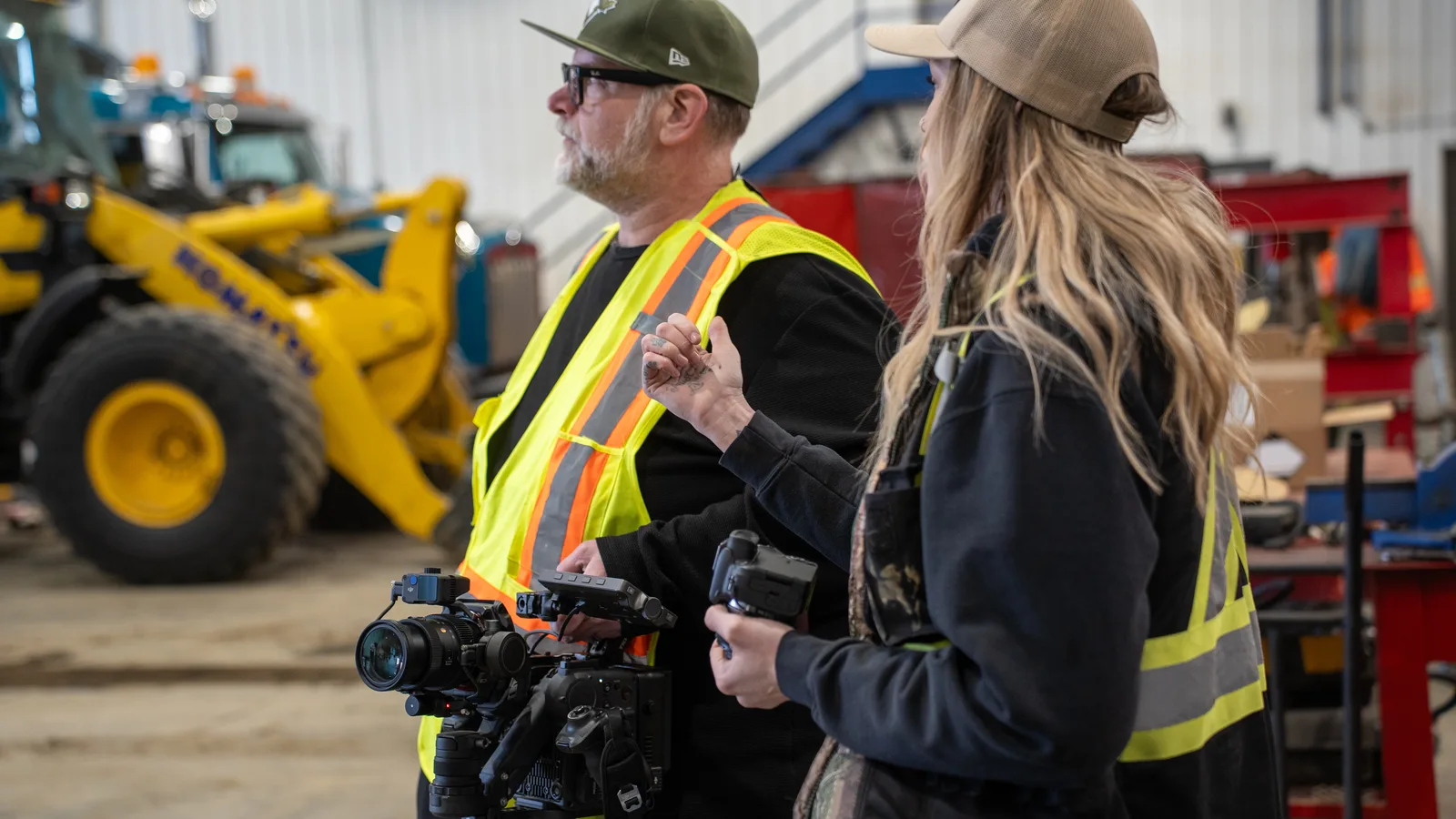
A phone is the right tool for regular, quick stories. A crew earns its cost when the film will be shown on a big screen, when the sound and light are difficult, when the subject is sensitive and needs time, or when one film has to work for a year.
The Cinderella Project, for MyCityCare, is an example. It documents a boutique that provides graduation formal wear to students facing financial barriers, and it needed care with who was shown and how.
Mistakes we see
- Leading with the organization. “We saved this person” should be “this person got through it, with our help.”
- No consent process. A handshake isn’t one.
- One video, then nothing. Supporters need to hear from you regularly.
- No next step. Every video should end with one clear thing to do.
Start with one story this month, told by the person it belongs to.
Want to talk through your nonprofit’s first film? Book a free discovery call → or read about our documentary video production services.