This is Part 3 of our documentary process series. Previous: Part 2: Discovery and pre-production →
By the end of week 2 the story is agreed, the locations are scouted and everyone knows what they’ll be asked. Here is what happens next: two or three days of filming, then two to three weeks in the edit.
Week 3: the filming days
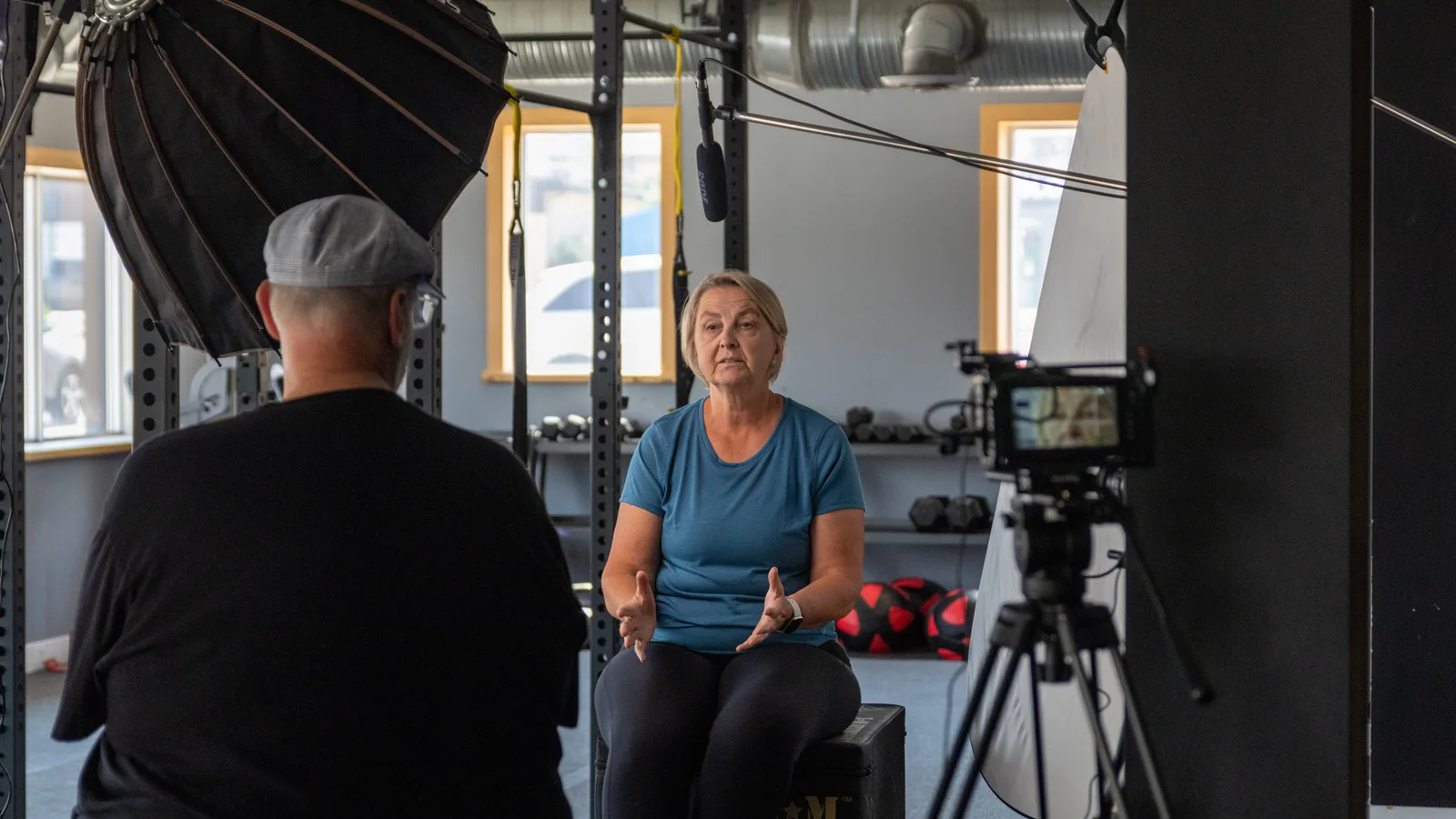
Day 1: main interviews
A typical first day runs from 8 a.m. to 6 p.m.
| Time | What happens |
|---|---|
| 8:00 | Crew arrives and sets up |
| 9:00 | First interview, usually the person who knows the story best |
| 10:30 | Second interview |
| 12:00 | Lunch, and a move to the next setup |
| 1:00 | Third interview or a key scene |
| 2:30 | Filming the work itself |
| 5:30 | Backup the footage, pack up |
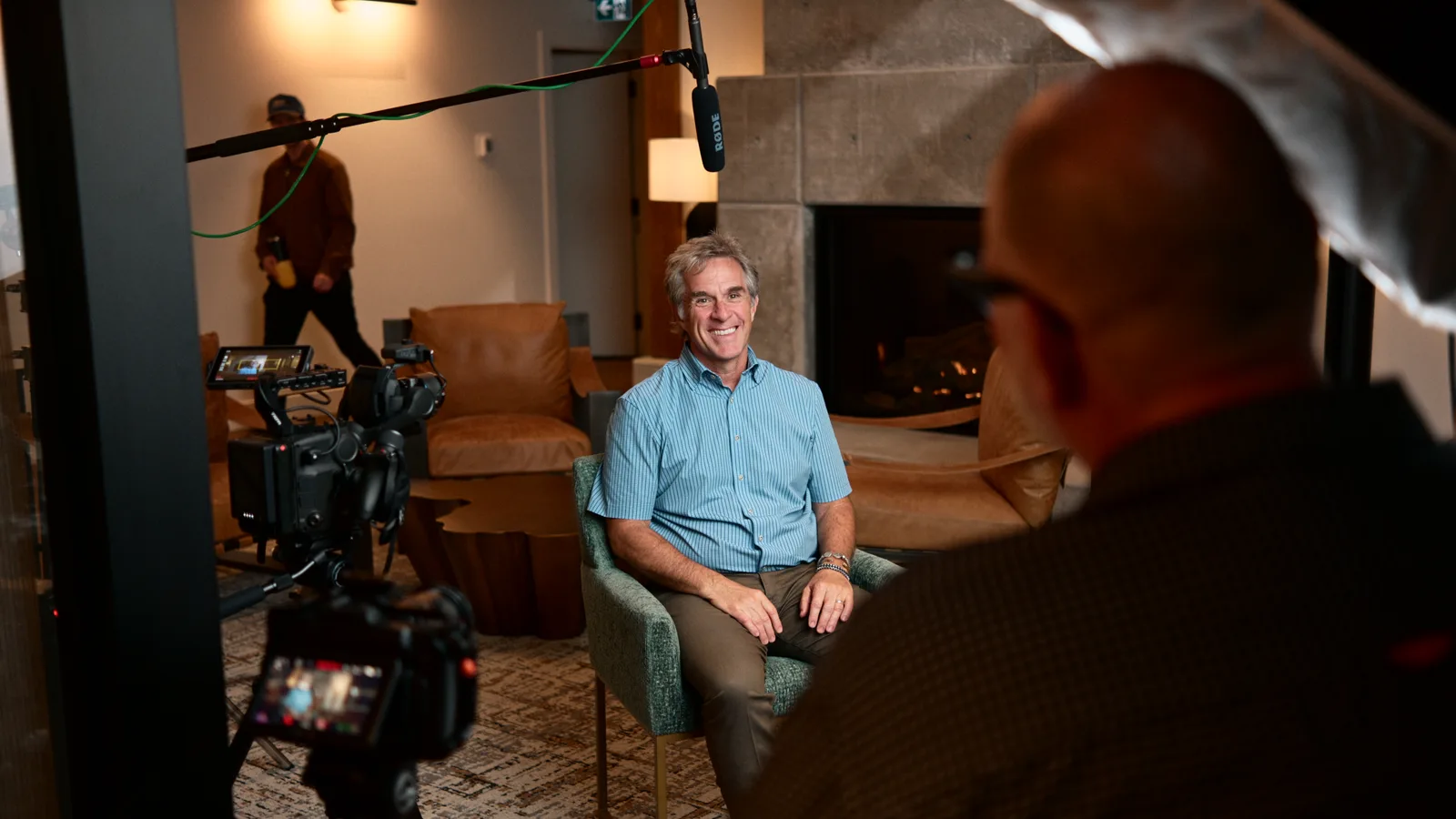
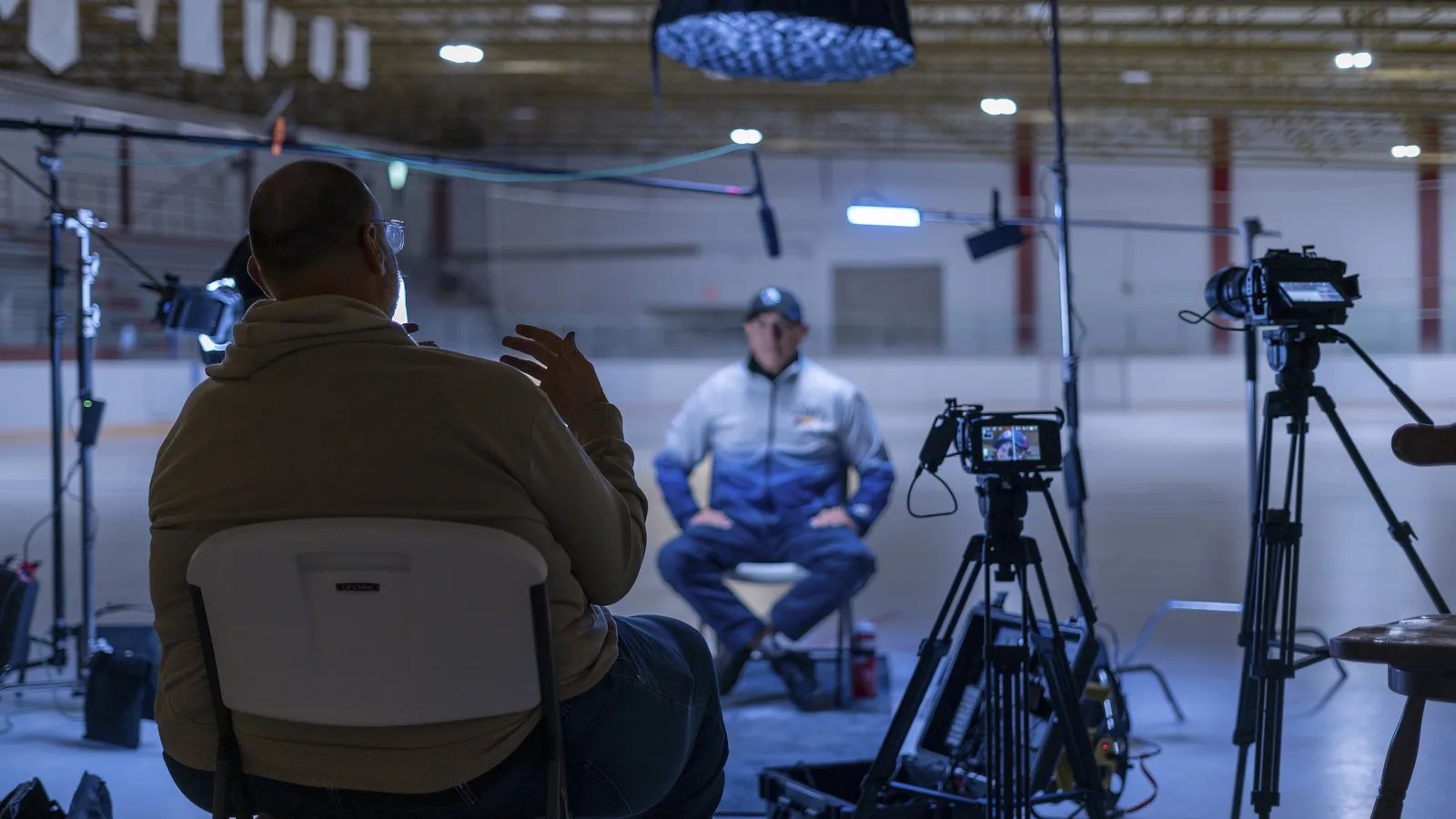
Each interview takes 45 to 60 minutes with setup. It’s a conversation with someone sitting beside the camera. If a sentence comes out wrong, the person says it again.
Day 2: more voices and the work itself
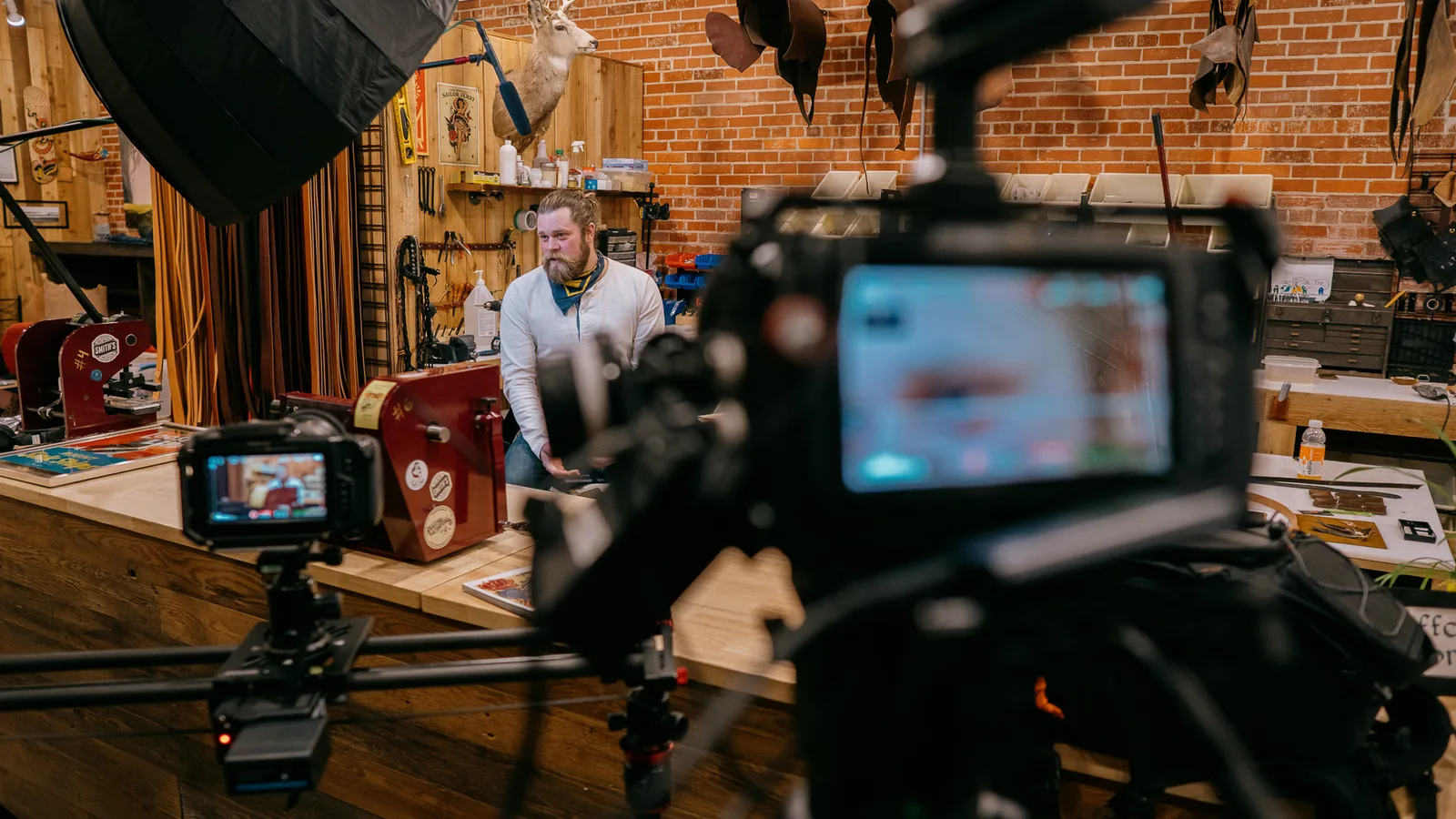
More interviews, often a customer or someone from another part of the operation, and a long stretch of filming people doing their jobs. This footage is what makes the interviews believable. When someone says “we check every weld,” you should see a weld being checked.
Day 3, if needed
For anything that needs particular timing: a shift change, harvest, evening light, an event. A shorter film may not need it.
What it’s like for your team
We keep the crew small so work can carry on around us. Nobody needs to memorize anything. Our guide to preparing for the camera covers what to wear and what to expect, and this account of a factory shoot shows how a day goes in a loud, busy place.
Weeks 4 and 5: the edit
- Review. We watch every minute and log the usable moments.
- Assembly and rough cut. Hours of footage come down to a few minutes with a beginning, a middle and an end.
- Your review. You see the rough cut and tell us what’s wrong with the story: the people, the emphasis, the length. Polish questions wait.
- Revisions. We make the changes we scoped with you during discovery.
- Fine cut. Colour, sound mix, music, titles and graphics.
- Quality check. A full watch at full resolution, sound checked on studio monitors and on a phone, every name spelled right.
The most useful thing you can do here is collect everyone’s feedback into one list with timestamps. A week of separate emails that contradict each other is what makes edits run long.
For the full detail, see what happens in the editing suite.
Week 6: delivery
You get the finished film in the formats you need for your website, social media and presentations. What else comes with it depends on the package you chose. A brand documentary includes the raw footage archive, so a future update doesn’t mean filming again.
Your time in weeks 3 to 6
- Filming: two to four hours arranging access and introductions, plus each person’s interview.
- Rough cut: an hour or two to watch and gather feedback.
- Final approval: about half an hour.
Questions people ask
Can we see footage while you’re filming? We’d rather show you a rough cut. Raw footage invites feedback on things the edit will fix anyway.
What if we need changes after delivery? Small ones, like a title or a name, are quick. A new edit is a new piece of work and we’d quote it.
What if the weather turns? We move the outdoor filming or change the shot list. A chinook can cost an afternoon, and the schedule has room for that.
Read the series:
- Part 1: The 4–6 week process →
- Part 2: Discovery and pre-production →
- Part 3: Production and post (you are here)
Ready to start? See our Lethbridge videography services, or book a free discovery call →