When’s the last time you voluntarily watched a municipal video all the way through?
Most people can’t answer that question, and that’s the problem.
Across Southern Alberta, municipalities pay for video that checks internal boxes but doesn’t connect with the people it’s meant to serve: council chamber recordings, infrastructure announcements read from teleprompters, tourism reels that could be from anywhere in Western Canada. Video isn’t the wrong medium. The approach is.
Documentary-style storytelling offers a different path, built on real people, transparency, and the kind of trust municipal governments need but rarely earn through traditional communications.
Why Most Municipal Video Fails
Municipal video tends to sound like government talking to itself. The language is institutional. The visuals default to council chambers, ribbon cuttings and aerial shots of infrastructure. The content is built to satisfy elected officials and department heads rather than the residents, businesses and investors it’s supposed to reach.
This isn’t a production quality problem. It’s a strategic one. The patterns we see most:
- Generic corporate language that reads like compliance, not communication
- No narrative, just information delivery
- One piece of content for every audience, when residents, investors, tourists and Indigenous partners need different things
- No objective, so no way to tell whether it worked
What Documentary-Style Video Does Differently
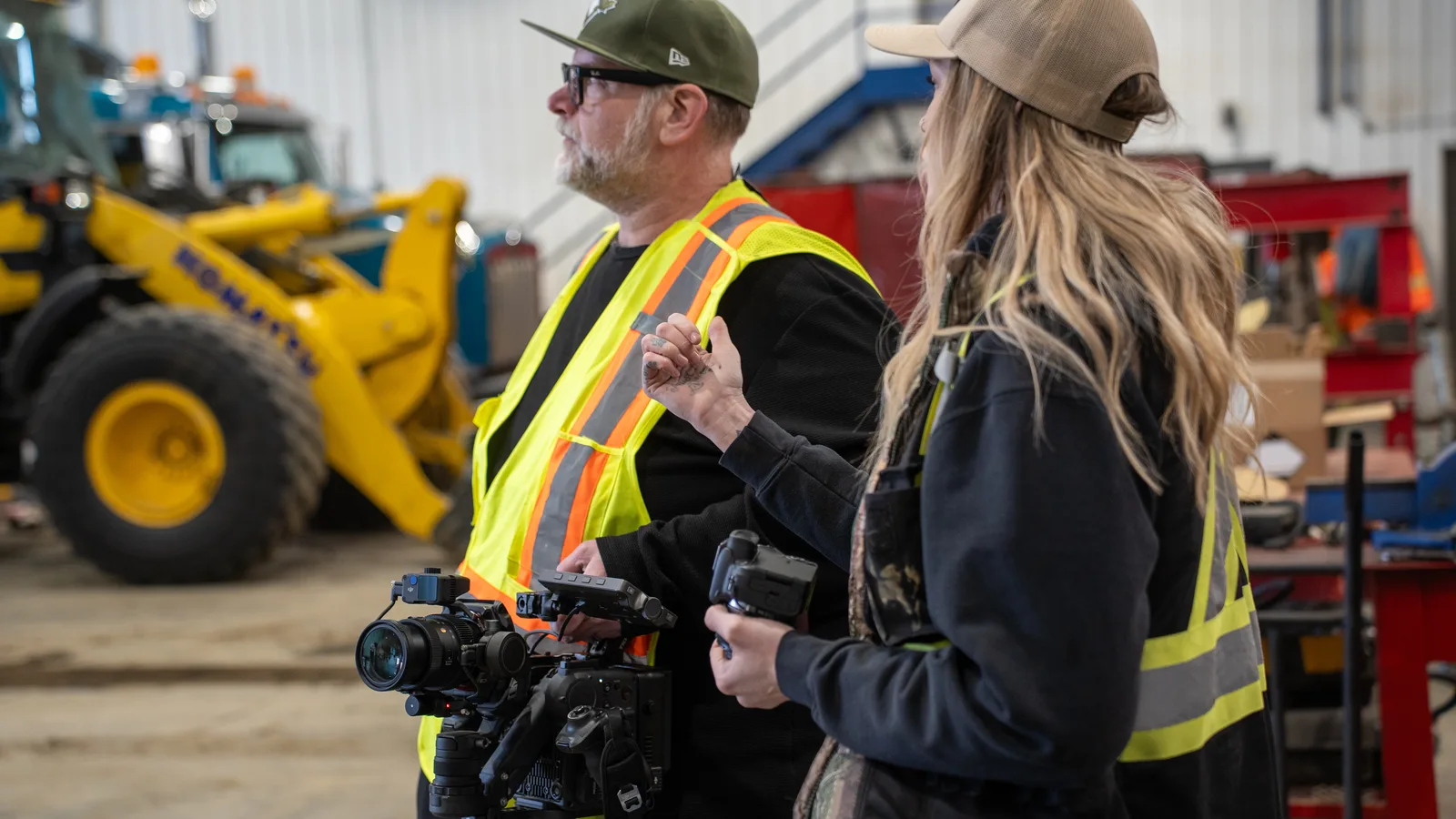
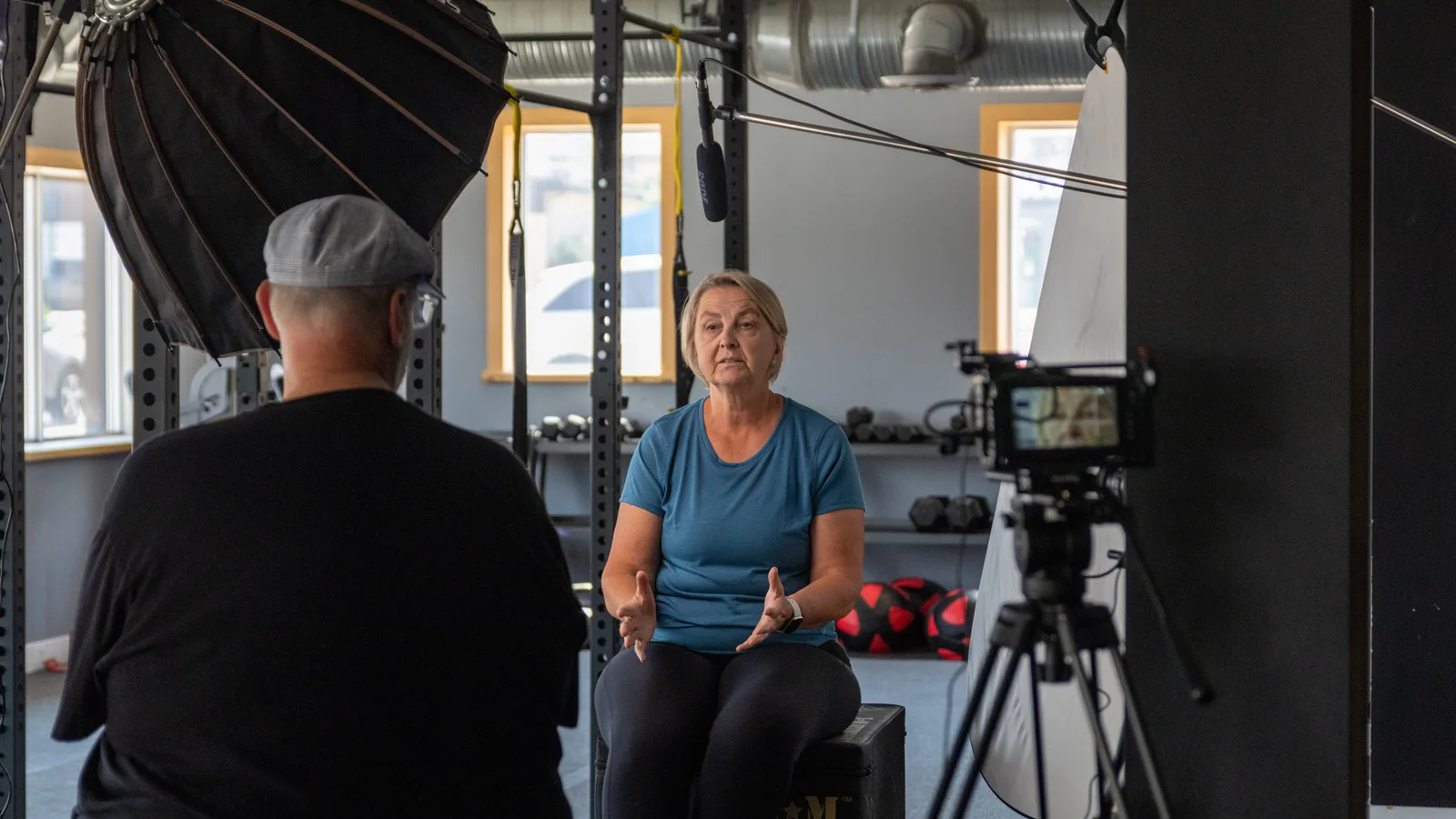
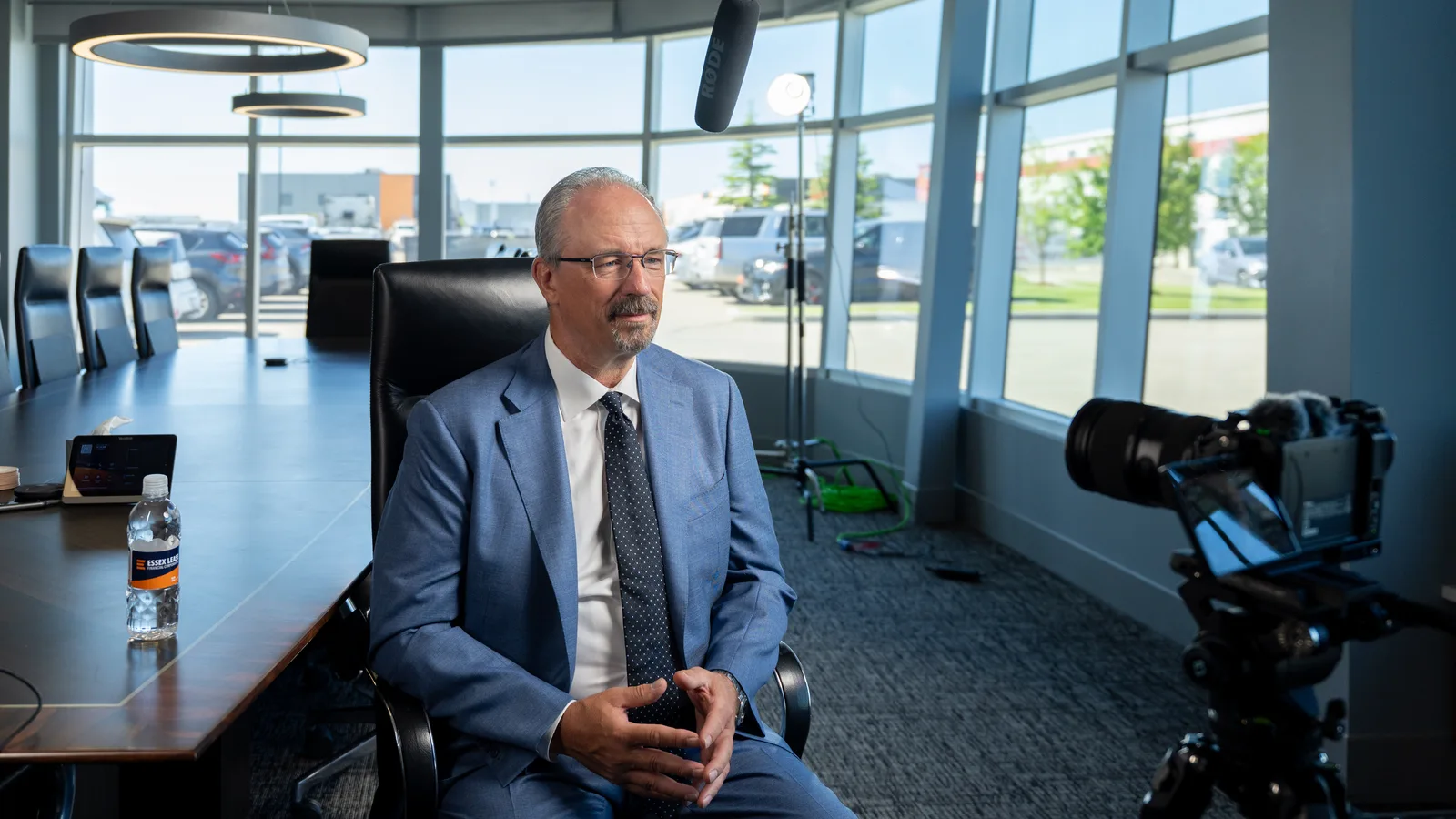
Instead of announcing decisions, you show the people and processes behind them. Instead of promoting achievements, you let residents tell the story in their own words. Residents aren’t customers being sold a product. They fund the operation and deserve to understand it.
- Budget transparency. Follow a property tax payment to the road crew it pays for, and to the family whose commute is safer because of it. That creates understanding. A pie chart doesn’t.
- Economic development. You can list incentive programs in a brochure, or let local entrepreneurs explain how the community backed their growth.
- Community engagement. Instead of a recruitment ad for young families, show a day in the life of real families across farming, manufacturing, education and healthcare.
Each builds something a polished promotional video can’t: credibility.
How Municipal Work Differs from Corporate
Most producers use the corporate playbook on municipal clients, and that’s where projects go wrong.
- Taxpayers, not customers. The audience already funds the operation, so the tone, the transparency and the measures of success all change.
- Competing stakeholders. Residents, council, staff, businesses and Indigenous communities each need something different. A documentary lets several audiences find themselves in one story.
- Trust over persuasion. The aim is understanding and legitimacy, which makes transparency the foundation.
- Compliance and accessibility. Municipal content has to meet accessibility standards and may be subject to freedom of information requests. Build that in from the start.
Where It Matters Most
- Infrastructure projects. Following a project from planning to completion, with the workers, the engineering decisions and the community impact, reduces opposition born of confusion.
- Economic attraction. Investors and skilled workers want to see the actual environment, not a marketing version of it.
- Emergency communications. Showing first responders and how local systems work builds the understanding that counts when something happens.
- Community and cultural storytelling. Stories that connect residents to place, including Indigenous perspectives and partnerships, build cohesion. That matters in Southern Alberta, where the relationships between municipalities, rural communities and Indigenous nations shape regional identity.
Mistakes to Avoid
- Treating it like advertising. Promotion convinces people to buy. Municipal communication helps them understand something they already pay for.
- Avoiding difficult topics. Content that only celebrates doesn’t build trust. Show the decision-making and the community input, not just the outcomes.
- Bolting on accessibility. Captions, transcripts and clear audio are cheaper to build in than to retrofit.
- Measuring views instead of outcomes. Engagement doesn’t tell you whether residents understand their budget or investors are considering your region.
Questions to Ask Before You Start
- What specific outcome do you want: budget comprehension, investment, engagement, preparedness?
- Which audiences do you need to reach? One video rarely serves all of them.
- What cultural protocols apply? Indigenous consultation and community partnerships should be settled before production begins.
- How will you measure success against municipal objectives?
- Does your production partner understand municipal governance, including approvals, compliance and public accountability?
See It in Practice
We’ve made films for the City of Lethbridge, Lethbridge Transit and the M.D. of Taber. Start with For the Love of Lethbridge, a recruitment campaign that reframes municipal work as civic devotion, Ride with Lethbridge Transit, or the M.D. of Taber’s 70th anniversary film.
Municipalities that invest in honest, well-made documentary films build stronger relationships with their residents. The ones that keep posting council chamber recordings will keep wondering why no one’s watching.
If your municipality is ready for more than meeting recordings, here’s how our documentary video production for Southern Alberta organizations works.