Picture a Lethbridge family farm posting a 60-second video of their son on a toy tractor while his father explains the succession plan. Or a Cardston-area farmer running “Harvest 101” Instagram Stories through seeding season, showing daily progress and weather setbacks. Or a Coaldale organic farm going live from its farmers market booth to answer questions about how the food is grown.
None of that takes a big budget or a viral moment. It takes showing people what already happens on your farm, and Southern Alberta agriculture is sitting on plenty of it.
Why Video Works for Farms
Southern Alberta produces food for global markets, yet many local farms struggle to reach customers directly and to explain how their food is grown. The usual obstacles are real: a trust gap with consumers, content that has to follow the seasons, competition for local customers in agritourism and farmers markets, uneven digital skills in rural areas, and too many platforms to choose from.
Video helps because:
- It shows practices that are hard to explain in text, like soil health, animal care and water use, in a way people believe.
- It compounds. A season of short updates builds a following a single brochure never will.
- It travels. The same footage works on your website, at a trade show and in a grant or buyer pitch.
Four Kinds of Video That Work
1. Operation tours (trust)
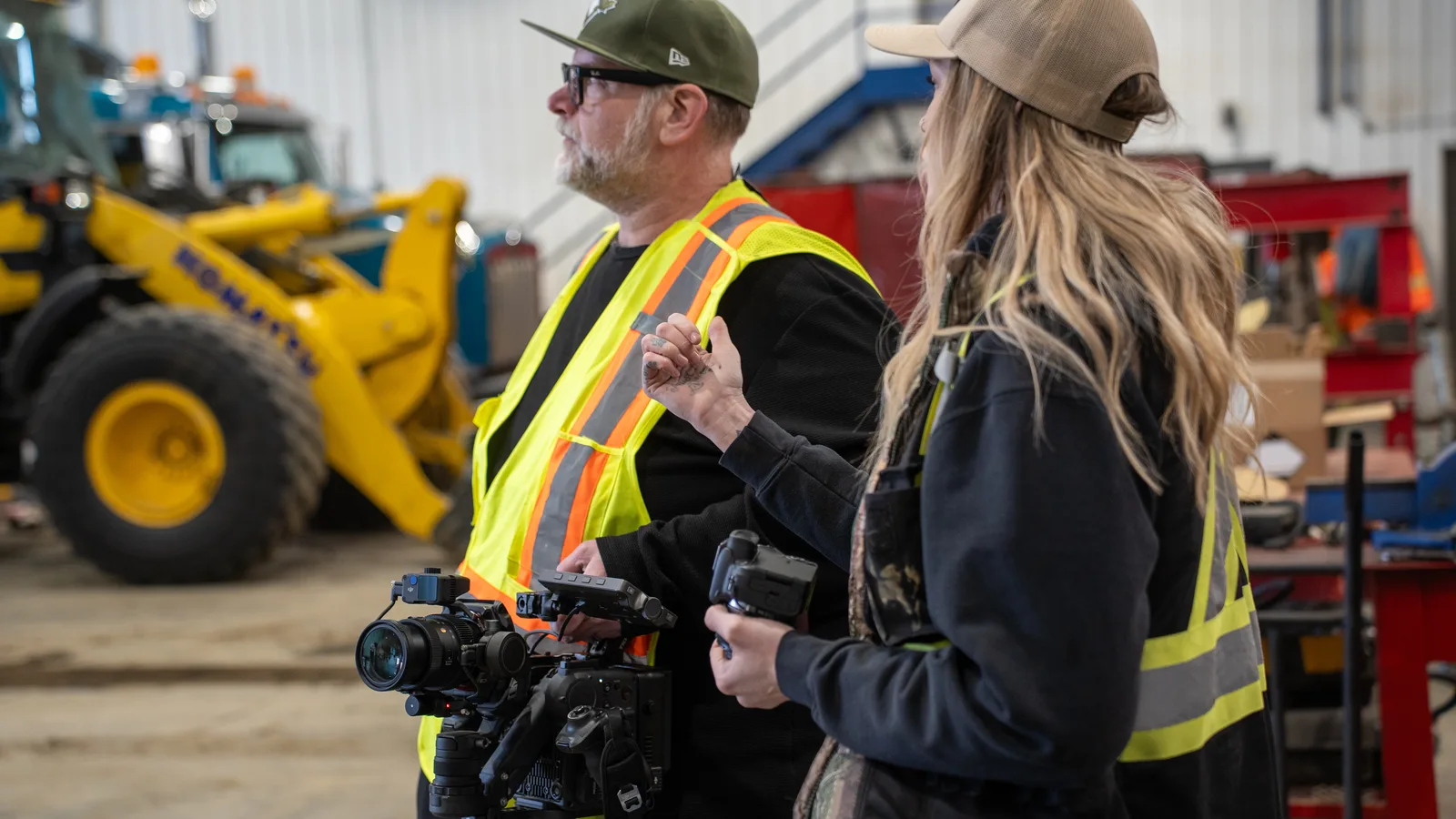
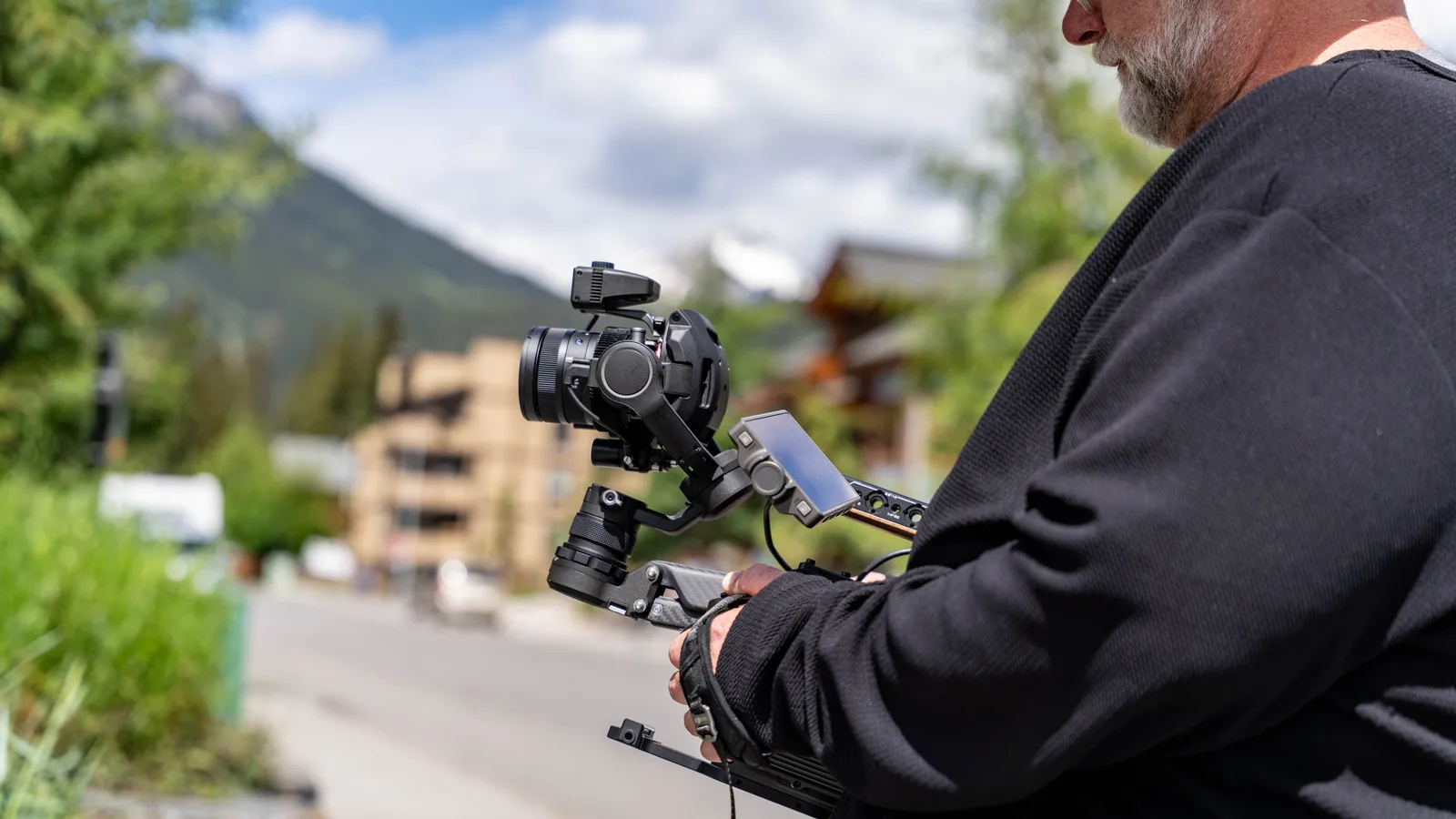
Show your farm’s scale and sophistication with drone tours, time-lapse, equipment demonstrations and behind-the-scenes processing. Monthly drone footage of crop progress turns a growing season into a story people can follow, and one good aerial sequence is the kind of visual local media likes to pick up. Use natural light and little music, and focus on what sets your operation apart.
2. Farmer stories (human connection)
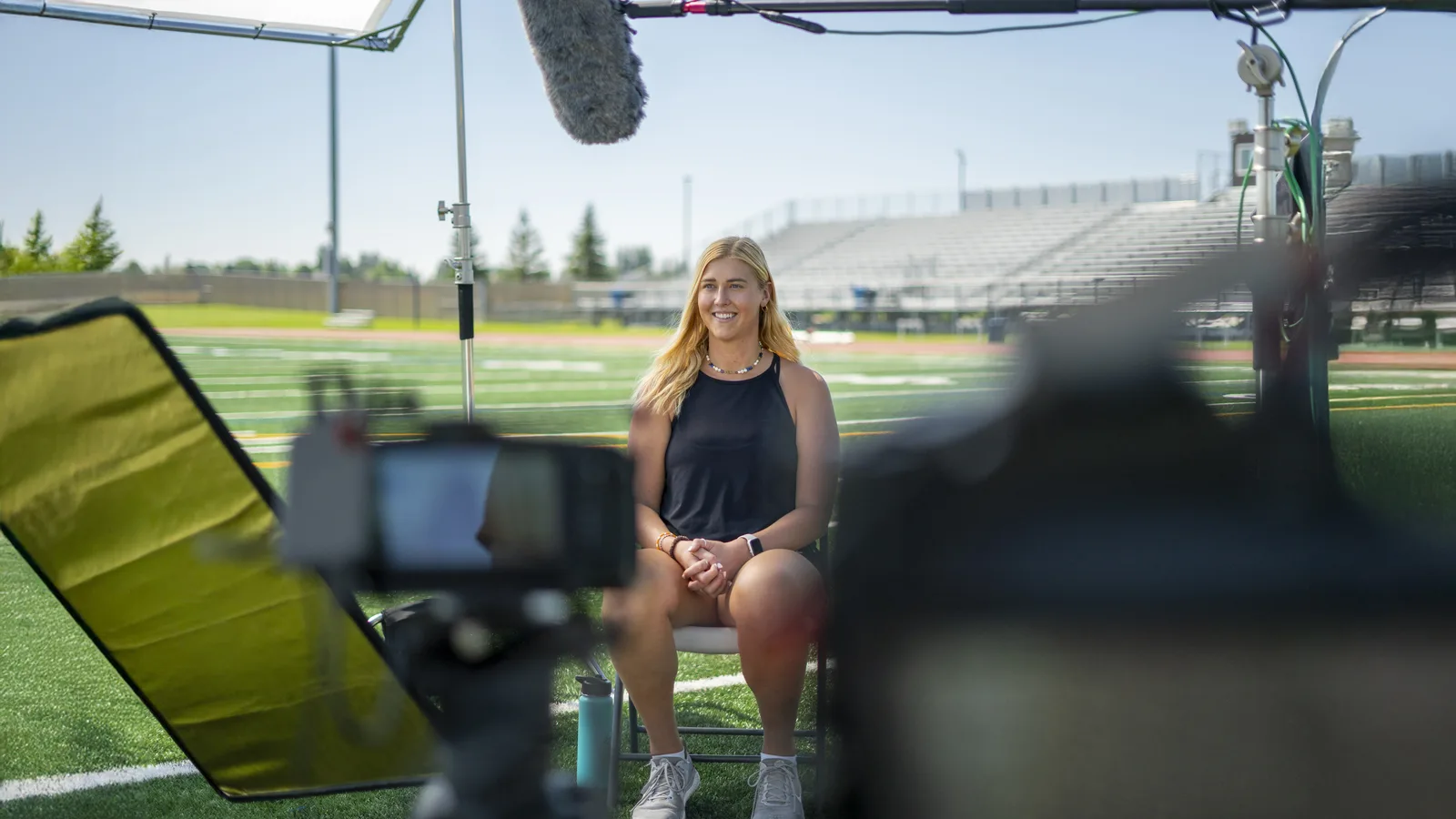
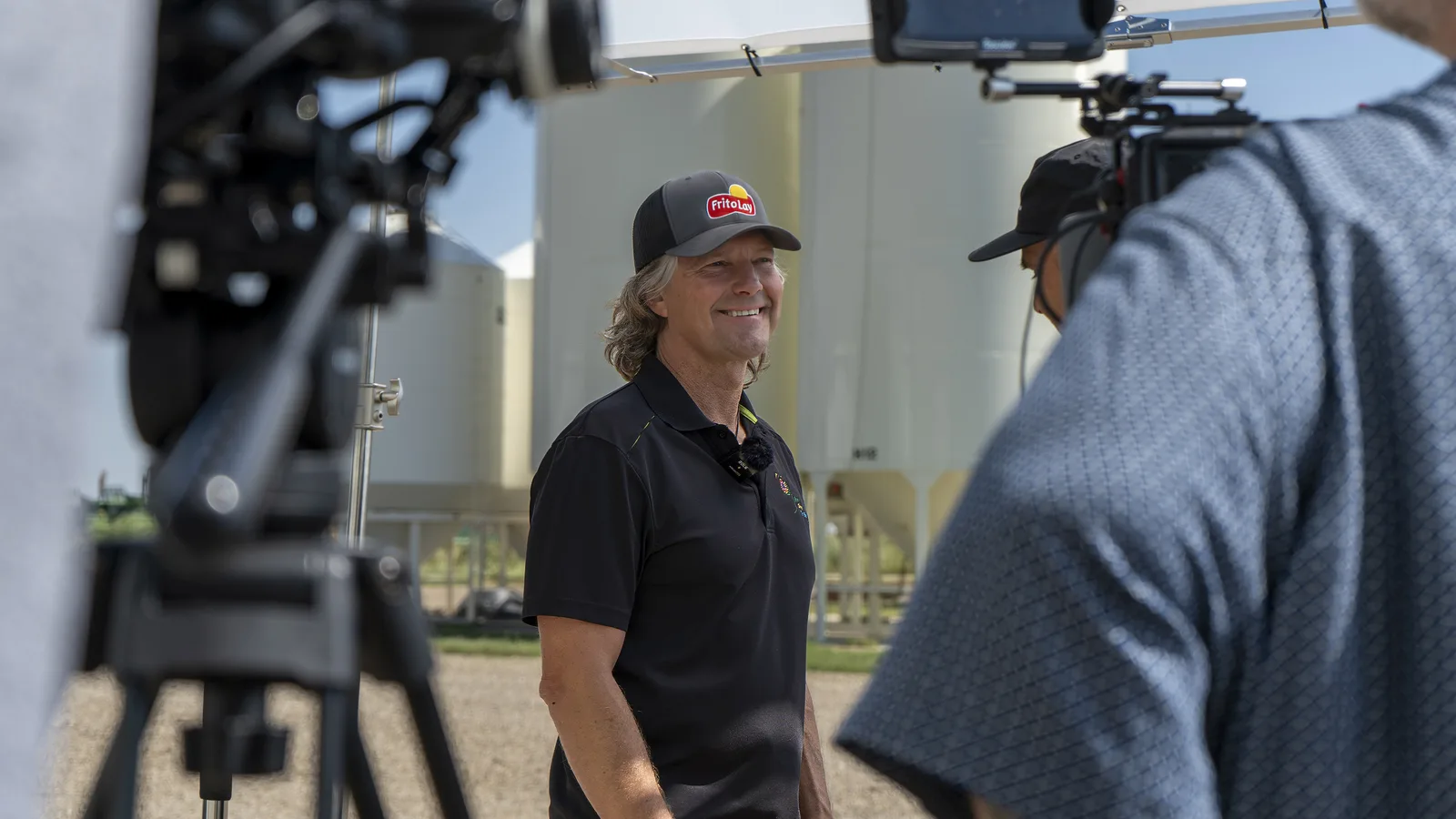
Put faces to the farm. Useful questions: “What drew you to farming in this area?” “What practice are you most proud of?” “What would you want consumers to know about your crops?” A monthly spotlight on different family members gives your audience someone to root for. People buy from farms they feel they know. Film on the farm, keep it conversational, and include family members of different ages.
3. Educational series (authority)
Seasonal tutorials, sustainability explainers, quality control and technology demonstrations. A recurring series on crop rotation, soil health, or why you do what you do positions you as the credible voice on your own practices, with consumers, buyers and industry peers. Use plain language and show the concept, don’t just describe it.
4. Agritourism (revenue)
Event promotions, a day in the pumpkin patch, live Q&As, visitor testimonials. Agritourism sells an experience, and video is the only medium that lets people preview one. Families deciding where to spend a Saturday pick the farm they’ve already seen themselves at. Film real visitors with their permission, and include hours, pricing and activities.
Follow the Seasons
- Winter: education and planning. Equipment prep, seed selection, succession stories. Longer YouTube pieces suit this time of year.
- Spring: speed and action. Planting progress, short tutorials, weather challenges, in short vertical video.
- Summer: experience and community. Farm events, agritourism and behind-the-scenes operations.
- Fall: results. Harvest, processing, year-end promotions and planning for next year.
Where to Post
Short vertical video on Instagram Reels and TikTok is for discovery. Open with a strong first few seconds and tag your location. YouTube suits longer teaching pieces you can organize into seasonal playlists. Facebook is for events and community, including live farm tours and Q&As. LinkedIn reaches buyers, partners and industry peers.
Measuring Results
Track business impact, not just views: direct sales, event attendance, contact form submissions and calls, local media coverage. To calculate ROI, take the revenue you can attribute to video, subtract what you spent producing it, and divide by that spend. Track for a full season before judging. Agricultural buying cycles are long, and the same video keeps working across seasons.
Mistakes to Avoid
- Over-producing. Studio polish and scripted answers lose the plainness that makes farm video believable.
- Ignoring the calendar. Educational content in the middle of harvest, when farmers are too busy to watch, goes nowhere.
- Showing only technology. Balance innovation with family and tradition.
- Ignoring mobile. Add captions and use vertical formats for social.
- One strategy for every operation. Grain, livestock and vegetables each need their own story.
Tell Your Farm’s Story
Agricultural video isn’t about flashy content. It’s about showing the operation as it is, which builds trust and leads to real business. We start with discovery, find the people behind the farm, and build the film around them.
We make films for Southern Alberta farms and agri-businesses. See our video production for Southern Alberta businesses.
Ready to turn your farm story into marketing success? Book a free consultation →