The Hiring Problem Is an Expectations Problem
Picture a Southern Alberta manufacturer that posts a millwright position. Applications come in, but few meet the basics. One candidate accepts the job, then quits after six weeks because “it’s not what I expected.”
That isn’t a shortage of people. It’s a gap between what the job is and what candidates think it is. Traditional recruitment leaves both sides guessing about fit, culture and day-to-day reality, which means high turnover, long hiring cycles and frustration on both sides.
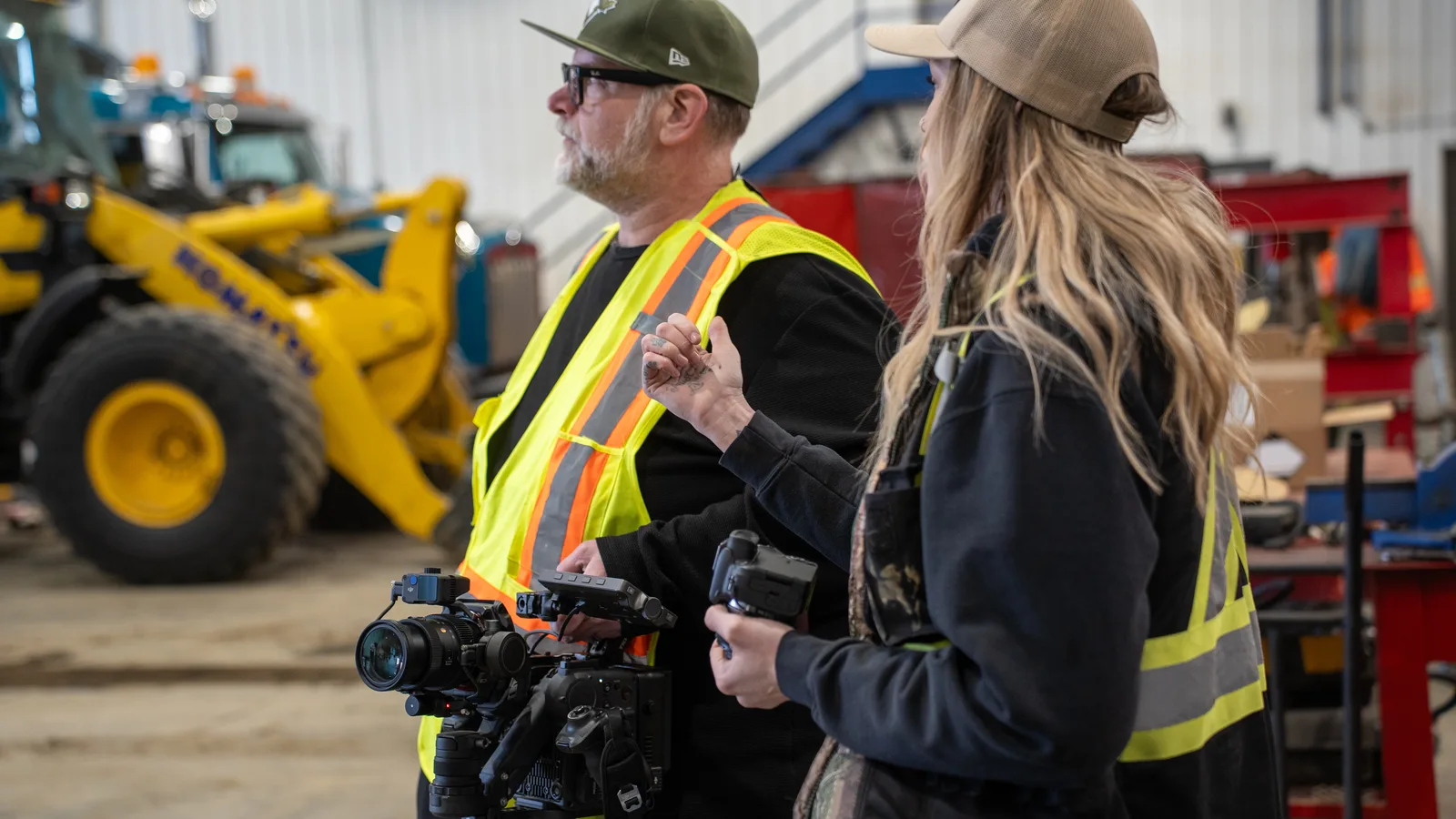
Some manufacturers are closing that gap with a simple tool: video of the actual work and the people doing it.
Why Traditional Recruitment Falls Short
Most manufacturers post a job description with bullet points, wait for resumes, and interview candidates who have never seen the work environment. That fails for three reasons.
Manufacturing work is hard to describe. You can’t capture the sounds, the pace, the teamwork or the satisfaction of making something that matters in a job posting. A common pattern is that candidates withdraw after a facility tour shows how intense the work really is.
Candidates don’t know what they don’t know. Many jobs need skills and mindsets that aren’t obvious on paper. Candidates expect quiet, solo work when the reality is teamwork and constant communication. They think manufacturing means repetitive tasks when it means problem-solving and continuous improvement. They underestimate how strict the safety requirements are.
The best candidates have options. Top tradespeople won’t choose an employer on a generic posting when they can see competitors’ workplaces on video.
What Works
Three approaches show up again and again:
- Employee spotlights. Short, regular videos of real workers talking about the job, their path and what the work is actually like. Candidates can judge fit honestly before applying, which tends to improve application quality and cut early quits.
- Long-form profiles, short cuts. A fuller employee story for your careers page, cut into short pieces for social. Better-informed candidates arrive with realistic expectations, and realistic expectations are what retention is made of.
- Facility tours. Walk the floor on camera with someone who knows it. A manufacturing environment intimidates people who’ve never been inside one, and showing the space removes the biggest unknown before the first interview.
Four Videos Worth Making
1. Employee testimonials
Real workers across different roles talking about their career paths, daily responsibilities and job satisfaction, in natural, conversational segments of 60 to 90 seconds. Ask: “What does a typical day look like in your role?” “What surprised you most about working here?” “How has your career progressed?” “What would you tell someone considering this job?“
2. Day-in-the-life content
Follow specific employees from clock-in to clock-out: the problem-solving, the team interactions, safety practices in action and an end-of-day reflection. This is the video that sets realistic expectations, which makes it the one that matters most for retention.
3. Facility tours
Safety stations and protocols, equipment, quality control, team spaces and career development resources. Essential for candidates who can’t visit.
4. Skills and training videos
Apprenticeship overviews, mentorship pairings, continuing education support and examples of career progression. They build candidates’ confidence that they can grow here.
Build for Phones
Job seekers live on their phones. If your recruitment video isn’t built for a small vertical screen, it isn’t in the running. That means:
- Captions always on, because many people watch without sound at first
- Vertical or square formats for social discovery
- A clear call to action early
- Fast loading, and an easy way to apply straight from the video
Match platform to purpose. LinkedIn reaches local manufacturing professionals and apprenticeship programs. YouTube is searchable, which suits longer facility tours. Facebook and Instagram are good for local targeting and employee spotlight series. And embed video in the job posting itself.
Measure What Matters
Look beyond views. The measures that count are the application rate (applications per view), the share of applicants who meet the basic qualifications, time to hire, offer acceptance, and retention at 90 days. Secondary measures are completion rate, click-through to your careers page, shares and direct inquiries. Compare them against your hiring before video.
Mistakes to Avoid
- Over-polishing the reality. Studio lighting and scripted answers hide what candidates need to see. Show real work, real people and genuine conversations.
- Ignoring safety. Feature safety protocols, training and accident prevention prominently. They build trust with candidates and their families.
- One video for every position. CNC, assembly and quality control need role-specific content that sets accurate expectations.
- Treating video as a one-time project. “We made a recruitment video” isn’t a strategy. Keep adding employee spotlights and seasonal content.
- Ignoring mobile. Desktop-formatted videos with tiny text and slow loading lose candidates.
Ready to Solve Your Hiring Challenges With Video?
Manufacturers that show the workplace as it is attract people who do well there, and set expectations that keep them. We make recruitment films for Southern Alberta employers, including the City of Lethbridge’s For the Love of Lethbridge campaign. We start with discovery, find the real people behind the work, and build for the phone as well as the big screen.
See our recruitment films, or book a free consultation →